Been a bit, but here's a new post I've been musing on for awhile. Part of it got eaten, but it is what it is. Hopefully the newer version is good enough in getting the point across. Today, let us discuss the actual point of doing something.
Do you ever wonder what it is that stories in the mainstream have been missing? No, I don't just mean "quality" or "good writing" but specific things that were once there but have been either subverted or gutted out of them entirely. We can all tell things aren't quite the same beyond preferences, to the point that even younger generations can tell something is wrong. Old industries we once thought were immortal are dying and no one can explain why.
We can go on about what values we wish were or weren't being taught and how they are or aren't, we can even quibble about how well something is done, but that wouldn't be enough to explain the lack of interest in what was supposed to be an industry meant to entertain no longer doing that. All of the above is fine for discussion, but it doesn't get to the root of the issue. What is it, at the heart of all these problems, is the mainstream missing that it once used to have?
The answer, is a point. Entertainment now only exists to be entertainment and nothing more. It is meant to be disposable from the jump.
The above video talks about recent Hollywood products showing a writing class that is devoid of answering questions they have never pondered, but also are incentivized to not even ask any in the first place. In essence, the creative industry is helmed by people who are not (possibly by choice, though it's irrelevant to the point) creative. That this happened does not speak well not only for the future of the industry but also the fact that these systems allow people like this in charge to begin with. The audience has lost their trust, and getting it back is far beyond Herculean.
We can criticize Hollywood for bad writing or improbable and alien characterizations (and they are very valid criticisms to have), but the heart of it is that the writers really don't have anything to say or get across in their creations. They don't have a philosophy or religious impulse, they just have talking points they either want to expound on that will provide the studio with a bomb, or platitudes and plot beats they will hit in order to maybe provide a safe, toothless hit. There is nothing in between these two approaches, and the majority of audiences can sense it. They either hate their audience or are scared of them, neither of which is good for creativity.
Even the video's example of kids movies are one such problem. Did you know that there were such things as family movies a long time ago? They were not made for children, but the entire family. The target audience of The Last Unicorn, Secret of NIMH, and The Great Mouse Detective, is not the same as the movies being made today. This changed because the movies stopped being made for people but for generic demographics, and over time all that has changed is the invention of more demographics and the bitter resignation that the creator will never hit the biggest possible audience this way. As a result you now get directors and stars blaming the general audience when their demographically myopic and incredibly niche movie fails to be a hit.
It was never going to be one, because it was designed to be throwaway. At some point they forgot the point wasn't for the audience to waste time, but to experience something grand. We are a long way away from that era.
Entertainment became disposable over time, and so too did the attitudes of those who engaged these products. In fact, we now use the word "consuming" when talking about entertainment, as if the only value it has is how fast you can swallow and digest it before "consuming" more product, rinse and repeat. This has also coincided with the rise of the generic term "media" as if "consuming media" is the goal instead of "listening" to "music", "reading" a "book", or "watching" a "movie", all of which are different forms of art requiring different modes of engagement. Now it's all the same slop to be shoved down your gullet.
And there is that word again: slop! That is an apt term for modern entertainment and the creators who shovel it out in an attempt to be part of the undistinguished gruel that slides down the random consumer's throat in Current Year. You can't make slop if the intent of your work is to use your medium properly, instead of just making Content for those 5 minutes of possible attention before the next flash in the pan comes around. But that point was lost long ago.
The reason kids are by and large rejecting the old media complex we still mistakenly, and without reason, think is immortal and permanent, is due to the fact that they know it's utterly meaningless. They might not know why that is, but their brain does, and it's because they see how it exists for little more than consumption of slop. Once you taste something better, something that tries even a little to do what it's supposed to do beyond the lowest common denominator, it is impossible to go back again. There is a reason Zoomers are buying vinyl records, Blu-ray/DVDs, and paperbacks, more and more these days, as streaming is stagnating. Even still, getting beaten by 20 second looping videos of silly cats and goofy memes is not an excuse: YouTube is 20 years old and video games are much older. Why is it only now a problem and with the younger audience? Why have they, specifically, given up? As I said, it's because they know what we don't. It's all worthless.
Just look at what older audiences do to "consume media" slop. We rely on intangible websites and electronic devices to supply constant dopamine. Streaming, for instance, is the ultimate Content mill of slop, even worse than cable TV was, and we're all starting to understand that. The kids, however, already know, even if they can't explain why. If it's all meaningless, then what's the difference in watching silly throwaway videos instead? They have as much meaning as the garbage the crusty old industry for old people does. None, only the videos don't pretend to have any. In many ways, it's actually more honest than what we do.
Though part of that is also because the kids have never had any entertainment made for them, therefore this system in turn means nothing to them. As far as their concerned, this is already a dead industry, and they have no problem abandoning an industry that has abandoned them. In other words, they left long ago and have no interest in changing their minds.
And why should they?
This shouldn't be that surprising, except for people who still think the 20th century is the beginning and end of history. The once-popular space battle franchise did not exist in 1976, and it will not exist in 2076. This should all be obvious. It's how it has always worked.
The solution is not to recycle old things endlessly and hope it remains relevant for younger generations. It is to make new things inspired by those old things in order to speak to the younger generations that currently have nothing to call their own. This is how art is meant to work, and it is something we must get back to once again. How do we speak with generations we're choosing to ignore? Perhaps trying would help.
Stories are meant to speak to people, to communicate to them. They don't do that if they're made purely to check boxes or to be easily consumable and tossed out at the first opportunity. "Making content" is not an approach that will improve the situation or better anything that needs bettering, as can be seen by the last decade of lowered engagement and ambition in the arts. The current approach is not working and it will not magically work again someday if we keep mindlessly doing it over and over again with no change.
To paraphrase a statement in the above video: These kids will not turn 25 and then suddenly decide to watch A New Hope. It has nothing to do with them, they have no reason to engage with it, and it is a relic of another age with no relevance to theirs. They're looking for something more than subversion or nostalgia for things they have never had. They want Creation. They want new ways.
When are we going to give it to them?
There's no better time than now, what with the ancient industries in terminal decline and options for alternatives more plentiful than ever before. As younger generations move on from the remains of the past, its time we do the same. It's time to look forward to the future!
Welcome back to the Wasteland! I hope you're having a lovely weekend on this very unimportant holiday. Today, I would like to cover a subject not quite touched on much these days. That would be the remainder of the 2000s.
Back at the end of the '90s, things were changing, the overall culture was becoming more connected. Windows 95, especially, broke open the dam that allowed people beyond the tech literate into computer ownership and then onto the internet. This was happening the same time the Telecommunications Act of 1996 consolidated the music industry, the ACT finally managed to whittle cartoons down to edutainment garbage and specialty channels, and the comic book industry was flatlining. In other words, the digital world was broadening at the same time the wider culture was shrinking in scope and in possibilities.
While this was happening, the younger generation was being raised on the only remaining wild west left: the early internet. This mysterious place allowed them to pretty much say and do anything they wanted after the rest of the culture had been slowly gutted to the point Bowling Alone no longer looked like a prophecy but the aim of those in charge.
Physical communities and spaces vanished, and new identities were being forged away from tradition, community, and art and creation. These new identities were formed online and they were centered on consuming corporate products.
If you're of a certain age, you might remember the explosion of "Geek Culture" in the early 2000s. This was an invention of megacorps created by feeding internet scenes their products and rewarding them with baubles and warm feelings. The era of the message board and community manager. Stop by the forums, wear your badge in your avatar or sig with pride, and endlessly talk about our Product. It is part of who you are, after all. This is what Geek Culture was, and why it would later be so easy to weaponize it against their customers when they changed their approach.
That this happened right after every offline entertainment sector was gutted by events like the above was not a victory of Pop Culture as a valid identity and goal, but that all those crippled industries could be now folded into one umbrella and make its users part of the Lifestyle Brand cult. You no longer like the Smashing Pumpkins and enjoy playing Quake III: you were now an "alternative rock fan" who was also a "gamer" and that was z very important part of your identity. What you enjoyed then became who you were.
As these identities grew, so did parodies and and mocking. The ever-hated Big Bang Theory TV show epitomized this new Geek Culture identity, and how good nerds all liked "nerdy" things and behaved and thought the same way about every topic and issue. The show was laughed at when it was on, but is it that much different when you visit a random Pop Culture livestream on YouTube in 2026? How different is it? Proudly antisocial, acceptable and safe political views, endlessly snarky and sarcastic like their teenage years ever ended, and still dressed and wearing the same pop culture shirts and showing off the same shelves they did decades ago, the stereotype the show presented wasn't made up: it was based on real behavior.
And that is what hurt the most.
All this preamble is to explain why the above video exists. For the Millennial Geek, G4 was a beacon of Geekdom and an important memory that defined their childhood. For anyone outside of that group, G4 was a cynical cash grab wrapped up in a made up corporate identity. Now, there is truth to both these views, but the full picture is that it was a network that made its mark appealing to a burgeoning socially acceptable Geek identity and it did that very well.
The cracks in what that identity was and how those who helped fashion it for that young generation are both in said above history of X-Play. At the heart of it is a level of seething hatred and anger for the audience that, while not everyone involved felt, is palpable in retrospect, especially in the atmosphere of today's dead pop culture institutions being constantly skin-suited for spare change. They've never really liked their audience, because they never knew them, and their idea of who their audience was never actually existed in the first place.
This attitude spins out into modern day. Why does it seem like there's so much contempt and hatred for the audience thinking the Wrong Things and why are they not falling in line like they once used to? Why shouldn't I be allowed to selfishly slaughter the works of Tolkien or even the creation of the Hasbro corporation whenever I want to? Why should I give the audience anything they want? Don't I matter most of all?
The fact of the matter is that there was never any real connection between us and them, it was always smoke and mirrors. The old adage that someone's always selling you something extends to TV networks: what exactly were they selling their audience? Not just products, but what was the deeper worldview they were selling? What was acceptable at the time was acceptable because those in charge deemed it so.
Just like a YouTuber who was throwing gamer words around in 2013 at the age of 27 pretending they were "ignorant" at how acceptable it was: it's all a pose. Back then it was simply a way of weaving through what was culturally acceptable to profit off of at the time . . . which is no different than how it works right now. There was never any "edge" it was all just selling an image, and now the image is no longer profitable. It was never real, it was always fake, and at no point was genuine connection the point of what was being done. That is why it is so easy for such people who do this to hate their customers: they never cared to begin with. And this is the hard lesson those who grew up with the fake Geek Culture back then had to learn.
The wild west days of the internet are gone, and there is no equivalent today. Younger generations are moving away from entertainment sectors into their own worlds, whether it be to short form internet videos, old entertainment detached from the modern complex, or creating their own spaces. There is no younger generation with any ties to the way things once were. There is no uniting aspect of culture today except that there is no culture.
All of this comes together to show why the relaunch of G4 was such a disaster: it had no place left and no one to connect with except to cynically reach out to the audience they "wish" they had, which is the same story with every failing part of every industry these days. Having to rely on an audience they never liked to begin with makes them bitter and resentful, wanting desperately to be seen as Good by the designated Good Guys, instead of fading away into irrelevance due to the complete lack of humility and gratitude that got them there in the first place.
I've seen it myself, too. I've personally had the creator of Twisted Metal and God of War tell me directly straight out how much he dislikes Gamers, the very audience who gave him a career. So seeing a host of a G4 series do the same is not surprising. The hatred of the ones who made them and the desire to appeal to those who hate them is a spiritual sickness that defines the back half of the 20th century so very well and why it lead to where we are now.
There is no future resurrecting these old crusty time capsules, because they aren't what we got out of them. They are always going to be what they wanted to be, first and foremost. The same goes for ancient IPs and companies. They're over and done, and they're not coming back, not even if you put the "right" person in charge. This is the last hurdle those older than Zoomers have to finally understand. We can't go back to that. It's finished.
So we should treat it as just that.
Anyway, here is a bonus video from the above creator on Loss, a meme from the same era which reveals much about that era in turn.
Have yourself a great weekend and I will see you soon.
It's the last weekend of the year, and boy has it been quite the 2025. I'll talk about that in one last post on New Year's Eve to close off the year, but not right now. Today I wanted to focus on one last straggling topic I've wanted to cover but could never quite figure out how to. As you can tell I wanted to talk about a more recent phenomenon.
Today's topic is simple: Why is Smiling Friends popular? This might seem like a silly topic but it's one that's been at the back of my mind for a while now. This random show has seemingly taken the internet by storm in a way we haven't seen since probably Rick & Morty's initial explosion, and that was a while back now. Where did this show come from?
Now in case you don't know what Smiling Friends is, I'll try to go a bit into the background of it. The first thing to know is that this is a cartoon they debuted on Adult Swim with a pilot way back in 2020. Season 1 premiered in late 2021 with 8 eleven minute episodes (and one special), season 2 in 2024, and season 3 just this year, with two more seasons to come. The show was created by Michael Cusack and Zach Hadel, animators with a past on Newgrounds and YouTube, and an understanding of older internet culture and humor divorced from current trends. As a consequence, its comedy and animation style has managed to connect with not only older audiences but younger adults as well. Smiling Friends has a strangely universal appeal despite its very niche existence.
The series itself is about a pair of friends named Charlie and Pim who work for the titular company. Their job is to do what the title implies and bring joy to their client's lives no matter what it takes. The universe is a sort of a Roger Rabbit-like one where both people and weird animated races live side by side, and all the chaos that would unfurl from such a place. As a consequence the show also experiments a bit with character designs and animation styles, making its visual style very dynamic and adding to the unpredictability of the series itself.
You never really know what each episode will bring.
[Counterclockwise from Top: Mr. Boss, Alan, Charlie, Pim, and Glep]
All of these factors help contribute to what it is that makes Smiling Friends such a success. Its budget is also miniscule, an entire season purportedly being less than a single episode of Family Guy or The Simpsons, and its odd tone and sense of humor also sets it apart from the tidal wave of Adult Animation that we've been inundated with since the 1990s. That being that it has a truly original sense of style and execution the industry has been lacking for ages.
To understand how this is, I should explain with a comparison. Let me give you an example using a recent animated film I saw.
Back during the summer I viewed Genndy Tartakovsky's Fixed, an animated film about a dog that was about to get fixed by his owners for, well, being a dog. The film is animated extremely well in 2D, some great designs and shots, and some scenes (the one with the cats in the alley, specifically) are extremely well done. All in all, it has all the makings to be a good cartoon.
That said, I didn't quite enjoy the movie. The reason? Oddly enough, it's entirely centered on the writing. The writing was been there done that and dated '90s shock humor I've seen a million times with no new wrinkles. It's hard to be shocking when you've been outdone by things the writer himself did (A Simpsons writer from the classic era wrote this movie, by the way) a quarter of a century ago. As a result, the film is hard to recommend unless you literally don't care about seeing the same thing you've seen a million times just animated really well this time.
That is my controversial opinion on this controversial movie, and that's that there isn't anything here controversial. It's just tired. I guessed everything that was going to happen before it did, because I've seen it before. Even the "moral" is straight out of the 1990s. Good animation can't save boring execution, and this movie is boring.
The problem is that western animation is still stuck in the 1990s irony-poisoned cynical and depressive mode its been since that time. Something like Fixed compared to Smiling Friends reminds us that Fritz the Cat wasn't well received for being shocking, but because it was literally doing things in animation we hadn't seen before. It is nice seeing an animated show with a unique identity trying to aim for something actually interesting for once. No therapy writing or pointless nihilism as a punchline, no reliance on shocking through tired gags to get by, but an identity that is uniquely built for the series itself.
The above video describes it more in depth, but what makes animation such a great medium is the expressiveness in drawings you can't get with other mediums. We've spent so long watering down what makes every medium what it was for the past 30 years we've gotten to the point that being the medium itself is considered criticism (see the terms "videogamey" and "overanimated" that did not exist back in the 1990s) because something dares to do what the medium does best and was always built to do. It's all backwards.
It's as if we've been taught that abandoning the medium itself for some kind of blob of non-identity, of generic Content, the kind that fills the corners of modern corporate slop, is the highest aspiration. How long can a medium keep itself locked into a time that is a quarter of a century old without dying? That's the question. And I think we have our answer via the current stagnant state of things.
And it's part of why the creators of Smiling Friends created their own studio. ZAM Studios was made in order to combat what the founders deem a stagnancy in the medium and in the industry itself. They are hoping to bring back some of the spark the industry has been lacking for some time. You can read the linked article to learn more.
Here is the work they did on the Billy Idol song from his recent documentary:
So what comes next? Well, it seems like underground animation has been making a lot of strides over the past few years. Perhaps the medium will soon dislodge itself from this stuck rut its been in for much too long and start delivering uniqueness again. We can only hope.
Until then, we have at least two more seasons of Smiling Friends to look forward to (probably more than that, honestly) and hopefully a new direction for the western industry that tries to take after its success. It would be nice to have an actual good trend spring up for the first time in ages. I sure hope it happens.
Animation is a greatly unique medium that deserves its respect. Not in the sense of making it "mature" or "serious" or whatever warped perception we have of art divorced from reality, but in the sense that it offers a way to communicate differently than any other one, and that is one that should be cherished and cultivated. We do not need anymore subversions or inversions of what makes the medium what it is: we just need to want to have it at its best. No more Peggy Charrens or endless subversions of her disastrous work as the be-all end-all of the medium.
We need to build, not tear down. And to do that, we need a new perspective on how we got here in the first place, and how to move on from it.
That's also what art is supposed to be: a celebration of life, of being alive, and what we're all capable of doing and being. We don't need crusty, dated 20th century principles and subversion to guide us anymore. We can finally aim for something better than that dead era.
It's been quite the week, for many varied reasons, but lets put that to the side for today's post. Instead, lets discuss something else.
Today, I wanted to talk about storytelling, fairy tales, and the importance of wonder. Specifically, I wanted to talk about how it's been both deliberately and accidentally malformed over the course of the 20th century to be what it is today. No one is going to deny that things have changed, but there is also no one who will defend it as in a good place, either.
However, it isn't as if we can just discuss this subject without going into hysterics about either who is at fault or who deserves less of the blame. The truth of the matter is that finger pointing won't do much at this stage. Despite that, we also have to discuss uncomfortable truths and the unintended consequences of off-loading creativity and storytelling to out megacorp overlords. How did we get so far down the hill in a mere century?
It wasn't as straightforward a tumble as you might think.
A good place to start on this subject is this series by YouTuber Cartoon Aesthetics entitled "How Disney Stole Your Childhood" covering the beginning of the Disney Corporation's early days and ambitions up to where it is today and how it has affected how millions of people see the world along the way. It is a revelatory series that fills in a lot of gaps into how culture became pop culture before becoming the disposable trash it is today. Despite the potentially controversial title of the series, this is a story of how a simple co-opting of fairy tales to make a fledgling company's movie productions cheaper ended up replacing an entire cultural institution and warping the way generations of children see storytelling, wonder, and the meaning of their own lives.
Sound heavy? That might be because the stories we tell ourselves has always been more important than you might believe, and the fact that we've spent nearly a century outsourcing creativity to an increasingly culturally detached corporation has done untold damage to the societal fabric. It's also why we can't seem to tell stories anymore.
It's not even to say that was Walt Disney's original goal to end up here. He almost certainly didn't think such a thing as the current Disney Corporation was possible back in the day, but many of his decisions would butterfly effect out to change the entire world of entertainment, destroy reading, feminize storytelling, and also "grow" with the audience into adulthood, eventually leading to the creation of Disney Adults as the punchline they are today.
How did all that happen? That is quite the question. To go into that is a long and convoluted tale, which is why I linked to Cartoon Aesthetics' series throughout this piece. Check out the first video above and you will see the seeds of a lot poison flowers that would spring up in the decades to come. Not that anyone could see them at the time, and perhaps there is no real villain in the story, at least not in the early parts of it, but that is almost beside the point: choices have consequences, seen and unseen, and we are living with the consequences of those choices today.
Why do we have Fairy Tales to begin with? This isn't a question asked much anymore, despite how obvious it once was. Fairy Tales exist to present the world of both the imagination and the concrete intertwined with each other, not only to show children the way the universe is but also to remind adults the full encompassing view of existence we might sometimes forget. In essence, they are the stories of what makes us what we are and point is to what we should become, and what to avoid. They remind us of what being human is.
Fairy stories aren't dumbed down "proper stories", they aren't meant to be infantile, and they aren't supposed to be "time wasters" as is commonly thought to be the purpose of such stories today. No, in many ways Fairy Tales are the basis to all stories, presenting the line where wonder blurs with the mundane to create a full view of reality both seen and unseen. Yes, they might teach lessons, but they also teach reminders, which is why they have a uniting universal aspect to them which makes such creations cultural touchstones and invaluable.
Which is why outsourcing them has turned out to be a disastrous idea that has ended up doing untold damage to the cultural fabric.
The video series covers this, but goes beyond it into much of the insipidness the 20th century did with creativity, including the embarrassing watering down of "Imagination" as some effeminate magical spell that makes you smarter and above the rubes. If you are old enough, you certainly remember how lame it was back in the day. Read a book, and you'll be smart! It just happens! You might remember Gen Y being told just that with the rise of The Kid Who Reads and lame ideas in retrospect like Reading Rainbow leading to the archetype we all know well by now.
Who decided to hand over art and entertainment to the lamest people imaginable and let them rule it with an iron grip? Is it any wonder these people have lead us to where we are today?
This character didn't fall out of the sky
Yes, throughout the 20th century we not only devalued Fairy Tales, but also turned reading itself into a lame hobby purely for anti-social nerds who believed themselves special and above everyone else, two disastrous mistakes that ended up having negative consequences on more than just corporate entertainment but also social dynamics and general maturity. How else can we explain why we not only have Disney Adults but Daily Show snark as the baseline for adult behavior only becoming more and more prominent since the dawn of the 21st century? That didn't come from nowhere.
Not only that, but it became more and more acceptable to be a cruel human being, as long as you were doing it for a "good" cause. Where else this kind of behavior lead if not to total dehumanization and an unearned sense of superiority? Where else does it end anywhere other than today's Current Year misery?
There was a push when I was a kid to never grow up. If you're old enough you certainly remember it. However, the intent was to make you "retain" that childlike wonder inside yourself that was common in youth. Now, while there might be something to that advice, the reason it was even thought of to begin with was because those teaching it to the youth operated in a materialistic dead end world where your monetary gain is what gave you value as a human being and that those who died with the most toys won. Won what? Who knows. The greater point is that the "adult" world was simply not enticing, and the "kid" one was quickly being co-opted by those same forces who knew it. Essentially, none of this came out of nowhere.
This movement created the weird situation we're in now, where even those sneering at Disney Adults talk like 1980s movie bully stereotypes, megachurch pastor parodies (crafted by people who hate them to begin with), or outdated Gen X cool guys (because sarcasm from thirty years ago is still cool, like punk music!). This isn't just a Disney problem, not by a long shot, and it would be good to remember all of this sprung about from a century where those in charge deliberately committed cultural suicide and left their broken offspring to pick up the pieces. The only problem is they don't know how to do this. How could they when this is all they know?
Much of today's emptiness is undoubtedly caused by the lack of cultural cohesion and the rot of the 20th century accelerating everything into the mess it is today.
For instance, as the above video shows, the biggest reason Walt Disney achieved his success was not in aiming at males or even kids, but specifically at mothers, showing them safe, respectable, and cute, stories their children could digest without fuss. Since these mothers were the ones taking the kids to the cinema, they were the ones he aimed his marketing at. And it worked. It worked so well it changed everything.
And it would only work if society were itself structured in a way that allowed someone with this approach that level of control to begin with, not to mention a climate the prioritized safety over adventure. It is no wonder arts and entertainment became so feminized over the 20th century: that's the only direction it could possibly go, and go there it did. It's hard to blame Walt Disney himself for finding this niche, as he did not know where it would end up, but at some point those who followed after him definitely knew, which is how it all became so easily weaponized against its own customer base. Today's culturally irrelevant Disney is a result of this hubris.
Before the fall, however, Disney was unstoppable. Their approach was how the "Disney Version" of everything not only became the default view of those stories, but also morality and wonder itself. Even those destructive groups such as PMRC or ACT were not looking for a definition of wholesome that aligned with Christianity but on Disney Safetyism, itself an ideology a lot of Christians hold to this day without even seeming to realize it. Much of the 1950s stereotypes held up as the ideal (or evil) are not even 1950s ideals: they are the Disney movie version of reality.
Not only that, but the subversive entertainment to become prominent by the end of the 20th century was not reacting to any sort of objective morality or overarching view of goodness: they were reacting to the Disney view as if it were the default. Look how many still portray knights as either savage hypocritical killing machines or ignorant rubes taken up by liars (maybe even both!) which is not an inversion of reality, but a cartoon version they grew up with. You have plenty of swearing and blood in your mature story because the Disney version didn't have it, because your version of mature is effectively just Not Disney. This is not mature, but when Disney is seen as the default, perception is skewed. It is skewed not only for proponents, but also detractors.
In other words, almost all of our modern conception of storytelling, good or bad, is built on a misunderstanding formed by one man's brand that originated from nearly a century ago. This is just one great mess of nonsense, so it's no wonder younger generations find it so confusing to parse how we got to where we are today.
This is the point where one realizes that we are what we consume, and we have not been consuming reality for a long time.
In Part 2 of the series, our host moves from Fairy Tales and how they were (mostly) unintentionally co-opted and into how it affected the younger generations at the time before they were then spread to the younger generations to come. In other words, it is how Disneyfication works and how it's changed since Walt Disney was alive. And make no mistake, it has absolutely changed.
By the 1990s, Disney had grown so fat and profitable that it ended up invading every medium, every space, and every corner of the culture. Any Gen Y kids alive today would surely remember the onslaught of Disney products and noise everywhere they looked back then. It was never actually considered "cool" for guys to be into it, but that didn't mean they weren't exposed to the Disney brand at every opportunity.
This paired with both the subversion obsession of the era (again, based on Disney's wholesomeness, not the real deal), the pussification of reading as seen for girls, geeks, and weirdos, and the ubiquitous presence of the Disney brand itself, you ended out the century with a generation raised on corporate product while detached from the cultural roots it came from, yet also fed a constant diet of anti-social messaging (simultaneously paired with multi-cultural We Are The World weirdness) finally creating a generation that would be a made into a good global citizen. This concentrated unreality pushed as the New Normal would fix everything.
By the time the 2000s rolled around and the 20th century passed, everything that made Disney what it was in the first place had been destroyed, paved over, and co-opted by either Disney themselves or subversives twisting itself on the Disney view. In essence, reality had been completely supplanted by this new unreality.
Even when 9/11 came around to shatter this Disney reality as unrealistic and impossible, we clung to it all the tighter. When the media told us the Bad Guys were doing Bad Things, we snarked at them and obediently believed we could fix it all by Being Good in the acceptable way. What were these definitions of good and bad built on? They were Disney forgeries, not necessarily created by Walt Disney, but formed by a co-opting of his simplistic formula and corniness to create a weird subset of Adults who weren't Adults, but Kids who proudly Never Grew Up. Unreality.
All of this destruction originated from the same place, the same attitude.
The phenomenon of Disney Adults today is frequently focused on in the most blatant and obvious manner. We think of the ones who go to to Disney theme parks and whine about everything while acting like brats or the ones who go online to stalk or obsessively tear down anyone who dares think different from the modern Disney Media Conglomerate. However, the mentality does not stop with those obsessed with Disney (or even Disney adjacent properties like Star Wars or Marvel which are no different) but also consumes the forgery of reality known as Geek Culture.
Geek Culture itself is a mutation, born out of the 2000s where the media companies attempted to sell a Geek image to build itself a sort of Disney-like acolyte out of. All Geeks love all Geeky Products! What are Geeky Products? Why, things you were made fun of by those icky normal types who are now trying to co-opt your hobbies to control for themselves out of the blue for some reason. Forget that all of the product and brands were originally sold to kids by the millions for a quarter of a century before: you're special and unique for liking an IP and defending it against the normals (or let's just stop beating around the bush: "normies") who are invading your hobbies because . . . well, they just decided to one day. How dare they? This space was made for you so you could be cordoned off from the world and live in your own reality away from them.
You are superior and above the normie, after all: it's in their name! They're "normal" and normal is inferior. You are not normal; you're better.
Forget that normal people have no ideological compulsion to invade spaces and change them, and forget that these spaces have always been swarming with normal people (you just either never noticed them or paid attention), but it also gives cover to actual subversives to come in because all they need to do is learn the secret codewords and jargon and they can to anything they want when they get in the door. This is also what did eventually happen to Disney before it happened to anything else. These aren't normal people: they're self-centered obsessives who want control, because they are special and above everyone else.
This happened because at a certain point we became aware at how effective mass media was at altering the way people think and behave. The existence of Disney Adults even being a category at all shows just that. By the time of the "Disney Renaissance" in the late 1980s, the people in the company knew what they had and became more aggressive at pushing out what they wanted using the Disney formula but wrapped in the growing irony and cynicism of the time period. It eventually did bottom out, but by that time Disney had seized so much cultural capital (and other studios like Pixar) that they were able to weather the storm and survive like a cockroach in nuclear fallout.
That is why those who think Disney was "taken over" by weirdos or subversives are kind of missing the point. They have a vision now, one obtained through unreality, and they will work to make it real. They are so blinded by this falsehood at this point that in their quest to finally acquire the male demographic with Star Wars and Marvel they absolutely feminized and gutted them without even the least bit of subtlety, and are now scrambling for a way to get males without them somehow. As if they have already forgotten what they did wrong to begin with. No one could behave this way without having been soaked in Unreality for too long.
In other words, they are now lost and spinning out. Disney's peak has passed and as their own works have finally begun to hit the public domain (ironic, isn't it?) and they are quickly learning that very truth. That era is over, and we now are seeing the mistakes for what they were.
This is what the third and final part of Cartoon Aesthetics' series shows. We can now see the end result of the Disney Corporation's conquest of the modern world and the conquest of Fairy Tales. We see the end result of where it ended up: a soulless and empty husk of safe morality and shiny words which ultimately mean nothing and added up to nothing of value, at the end of the day. We see what a post-Disney world is all about.
Not to say that Disney itself never had value or produced anything of worth, but where its philosophy and direction eventually lead to could never go anywhere else. They weren't even necessarily the source of all of this, but more of a spirit of the times finally reaching its end point. The spirit of the 20th century is what it is, and it's long past expired.
The end result of the all of this is in the atomized dead end world we now inhabit. There is no more Pop Culture, there is no more shared monoculture, and there are no more shared values. Just as third places, local community, and the concept of identity itself has been subverted and hollowed out by modernity, so too is the remainder of old empires like the Disney corporation a vapid husk of what it once was. Old IPs made by much more talented and inspired people being worn as a skinsuit by modern Disney Adults who have no higher aspiration than to be a Good Person dictated by whatever the Good Guys in charge of them tell them is Good. Thus their own works must be constantly subverted and "updated" with modern morality and acceptable verbiage. It never ends.
Go get drunk with your friends in Disney World as you celebrate your 35th birthday. That is clearly what Walt himself intended, right? What higher aspiration can you even imagine with a mentality like that.
Nothing truly eternal can be built on or even built in the first place. All that remains is a race to the bottom of lowering standards, tired tropes and aesthetics, and emptiness disguised with bright colors and loud noises. This is the post-Disney world.
We have since lost sight of the original Fairy Tales and their aim to show us the world as it is in multiple forms. Storytelling itself is meant to present wonder, excitement, fascination, and awe--not to lock it down to trope lists, acceptable corporate language, and a weapon against your very neighbors. We have completely inverted them and in the process, lost ourselves.
Until we work to reclaim it, nothing will improve. As the above series subtly states and ends with, unreality only leads to more unreality. People cannot live in proximity with those who do not share their reality: we have all of history to show what that eventually grows into becoming. One vision will have to prevail in the end: and the one less than a century old that itself has been rotted out from the inside is not going to do much other than lead people to pills, head doctors, and the bottle. Which, unfortunately, is exactly what has happened to us.
The only solution is to go back, to remember where those Fairy Tales came from in the first place, and to build off them once again. Dead end roads and failed experiments must eventually be seen for what they are and be abandoned. Truth is more important than lies, and the best stories cannot lie: they can only tell the truth.
Truth is older than trends, it means more than sentimentality, and it runs deeper than cute images and saccharine catchphrases. It has to be rediscovered and reclaimed before everything falls apart worse than it already has. Thankfully, it is not too late yet.
There is more to everything than what we see. It is about time our stories finally reflected that again, otherwise unreality is all we will ever know. We cannot live without truth, we can only exist, and that will never be enough, not when we were made for more than this.
This is what Fairy Tales are for, after all. Until our stories change, we will not, and they cannot change until our perspective does. Here's hoping we manage before it is too late.
Welcome to the weekend! Let us get to today's subject.
An sort of addendum to the recent post on Rooster Teeth and Akira Toriyama, I wanted to discuss the early days of DVD. The reason for this is because it is the first period of home releases where preservation itself was considered a selling point for the form. VHS and Beta were never sold to people as something you would own once and then never need again for the rest of your life. DVD, however, actually was.
For those who don't remember, or just aren't old enough, DVD, much like CD, was sold as one time one buy and it would last Forever as you would never need to do anything else. The late '90s and early '00s were very big on preservation as a selling point. And for the most part, it held true. If you were lucky enough to buy something back then, or buy it used now, there is a good chance your disc actually does function.
However, certain distributors and production companies did cheap out back then, which means there is a specific chunk of old media that actually hasn't been preserved at all. I wrote about that topic here. Today, I want to go in the other direction. What hasn't been preserved, not because of the quality of the actual discs, but due to the companies themselves simply not releasing the series properly to begin with. Believe it or not, there are still plenty of movies and TV series that have not had proper re-releases since their early days on standard definition TV or a cropped VHS release.
One perfect example of this is the anime that helped break the form overseas--Dragon Ball Z. Though it has had multiple releases over the decades ever since Funimation first released the clamshell Arrival VHS back in the '90s, there have been countless releases of the series. However, did you know that there has never been a complete version of Dragon Ball Z that wasn't a terrible mess that is close to unwatchable or incomplete in some way. Aside from one release in Japan (the now-rare Dragon Box releases), the entire series has never even had a presentable release before.
And it is just DBZ. The original Dragon Ball anime, GT, Super, and the movies, all have at least some form of watchable release that holds up. I can confirm my season releases of the original Dragon Ball anime on DVD have good presentation, multiple audio tracks, and still work after all these years. And it is also the only complete release of said series. The sequel series, Dragon Ball Z, however, has had multiple releases over the decades and ever single one has tremendous issues. Check out the above video to see what I mean.
All of this is to show that preservation isn't always a problem of faulty discs and shoddy production companies. Sometimes the source itself, or the one in charge of the license, simply refuses to release the product in question in a state that can be preserved in the first place. And what better way to show that than with what is possibly the most popular anime series ever released. Especially since due to the current state of streaming above all else, the likelihood of Dragon Ball Z now getting a proper home release at all is extremely low.
It's weird to think about for those of us who grew up with the Greatest Toys Ever. Preservation became a goal of a generation that released good things should be carried on, and demanded such from the companies that never thought twice about it. But now in the digital world, and over the last decade, we've started to fail in our original goal. Of course, not everything needs to be preserved, or will be, but one advantage Gen Y has is an eye for knowing what effected them and what has a chance of striking a chord with future generation. I'd like to think one of the most popular anime series of all time would be one of those, but who really knows at this point.
If we're failing at the one thing we're good at, then maybe Gen Y really does deserve its reputation as quitters. Personally, I'd prefer not proving the clichés right, but that's me.
That's it for this week, and I'll see you next time. Our subject next time will be quite a bit different than mere preservation problems.
Short one today, and it's mainly a warning for all you collectors out there. The above video centers on a problem in regards to preservation. We're dealing with a very real problem these days known as disc rot, and it's more common than you might think.
Much like in the CD world, there are specific eras and companies which cheaped out on manufacturing which led to whole runs of discs simply not being able to withstand the passage of time. So if you've been collecting since the format started, or maybe you got your start with old used discs, it would be very smart to check them and see if they are holding up.
This disc rot issue also heavily hit a particular distributor in a specific era. If you have any DVDs made by Warner Bros. between the years of 2006 and 2009, I would suggest checking your discs ASAP and ripping them for yourself as soon as possible, because they are at the most risk for rot.
The above video talks about the issue in detail, but the point is that a lot of what we were sold on in regards to preservation wasn't true. So if you are a collector, you need to be aware of the fact that what your were sold as "collector" items may in fact be nothing of the sort.
Retroblasting also sources another channel as to where he was first alerted to the issue, which is linked here:
Said channel also compiled a google doc of discs with known issues, so check them out here.
Just remember that no matter what happens, keeping the past alive is important. Keep yourself up to date on how things you were told might not always be so. A lot of the people and institutions we were told to trust back in the day simply weren't quite as trustworthy or competent as we thought. So it's up to us to make sure to keep the flame alive.
Back around the time streaming first took off, for instance, many physical collectors and online services simply gave up the ghost thinking that streaming meant everything would be preserved forever. However, as a result things that were easy to find as recent as the mid-2010s have now nearly fallen to obscurity, and streaming programs are quickly becoming some of the most common forms of lost media. In other words, we're going to have to do it ourselves.
I've said before that despite my generation's faults, the one thing we are very capable of, and most suited to, doing is preserving things that which everyone else has taken for granted over the decades. For whatever reason, in an age where preservation should be more possible and easier than ever, the opposite is occurring, and we need to get on that.
Keep an eye on the things you were given, the reminders of a past that might otherwise be lost, and keep them safe. Who knows how important they might be in the future? There is no way to know now, but that could very easily change.
That's all for this week, and I will see you next time!
Welcome to the weekend! Today we're going back to the past, but not too far back. This time we're not even going back to the 20th century.
Do you remember television? If so, you're probably old. It's fairly irrelevant as a medium now, but back in the 20th century, it was king. However, much like cinema, it's currently on the way out as popular entertainment, relegated to the history books.
But, I digress. Let us put ourselves back in a time when it mattered.
In 2002, a TV network called G4 launched into the world, and it ended up shaping the tastes of a lot of Millennials who grew up with it. It was a cable network focused on video games, at least at first, before becoming the first geek culture hub on television. But what you don't know is a lot of the behind the scenes weirdness involved with the network's creation.
Back in the early '00s, a channel called TechTV was one of the biggest cable networks for tech nerds. This was back when TV was so big there were niche channels for just about anything. TechTV flourished, for a time, finding its own audience. That is, until it was merged with the upstart network G4 after being bought by Comcast into being one of the first Geek Culture network, in 2004. To this day, the TechTV merger is still looked upon as a sore point for a lot of tech bros from back then, and it, in a way, was a harbinger for wider things in the culture to come. Everything would be pounded into the same mud slick or disposable entertainment.
But this is about G4 itself, and not the controversial merger, so lets keep it on topic.
If you were a young Millennial gamer, you probably have a lot of fond memories of the network, if you were a computer nerd or an older Gen Y/X gamer, you probably hated it. Especially since it influenced such programs as The Big Bang Theory and the pop cult that formed around it as the 2000s wore on. That was a strange period of television history whose reverberations are still being felt today, well over a decade after G4 ended.
That means this is a topic well worth exploring and looking into. Thankfully, someone actually has done this, and recently.
Last year, Chris Gore, one of the people who were involved in the original cable network released an extensive documentary about G4, covering its beginnings in 2002 up until its end in 2012. by mainly focusing on its flagship series, Attack of the Show. This documentary is also interesting from the perspective that G4 itself represents the end of television itself as it is more or less the last original cable network to launch to any sort of success. In essence, it works as both a snapshot of a time and place, and the story of how an entire era of mass media ended.
It also presents a timeline of events in a specific era in pop culture from its beginnings to its endings by the time the network was shuttered. Even just starting with the last remnants of '90s style extreme design and font in its beginnings that slowly fell away to the big and bold '00s style of "edge" and degeneracy that was popular at the time, it represents the shift in tone very well. It's no wonder so many Millennials fondly remember the network--it encapsulates what the decade was like for those around at the time who lived through it.
I do recommend watching the above documentary if you are curious about what it was like back then, even if the time period was not your favorite. It shows exactly what people were interested in at the time and what exactly they wanted out of entertainment and their products. You can't look at G4 and not just see the 2000s in every facet of its existence. This is also why the network relaunch was always doomed to fail, because it was built around personalities that hated what the network was built on and the people who made it while forgetting that times have changed and the social climate is much different, and worse. Many such cases, unfortunately.
Even G4 itself never really recovered from Attack of the Show losing the last of their two original hosts in 2012, just before the network ended, a signal that the hangover that was the 2000s was really over and the 2010s were just ahead.
There's just no going back. That era is over.
"G4 is to TV what the MCU is to movies." ~ Quote from the documentary
As for my opinion on the network . . . it wasn't for me. I've never really liked corporate geek identity, and have always been puzzled by people who desire to live clichés others give to them. I hated that infamous 2010 Kevin Butler speech at E3 where he listed a bunch of stereotypes and declared this is what gamers were to thunderous applause. I loathed Big Bang Theory and its checkbox geekery, and I detest the idea of products and brand as a personality that was really embraced during that time period and fully flowered into the lifestyle brands of the 2010s.
All around, just a bad era culturally and socially, and it led to an even worse one in the decade after.
The documentary even tries to bring up the old canard that only geeks and nerds read comic books, played video games, and engaged in tabletop games back in the day, something that is a HEAVY revisionism of what it was actually like back then for those like me who lived through it. Everyone in my schoolyard, for instance, played a collected Magic: The Gathering and every single person in my class played video games. This was BEFORE the 2000s, and I keep being told that liking this stuff was some sort of taboo back then. This revisionism to make "geeks" a separate cohort that were bullied for the products they consumed is simply not the case.
What this sort of talk does is foster an ingroup outgroup dynamic based on half-truths that lead others to think they have to behave a certain way to be accepted into a club. This leads to today when you can look at any Geek Culture podcast or stream and be amazed that not only does everyone look and dress the same but they all have their apartments/rooms decorated in the exact same ways while they spout the exact same opinions on everything else.
G4 didn't cause this, to be fair, but it was the starting point for where a lot of this weird lifestyle brand attitude showed its early form.
It turned a hobby into an identity.
But that's not how it was back in the 20th century.
Fact of the matter is there were only two weird kids in my class growing up: one who awkwardly brought up wrestling all the time and another one who was an antisocial thug. The first was not weird because he liked wrestling, but because he had bizarre thought patterns no one understood. He was not hated or bullied over it, either. The second was a weirdo because he attended political protests and threw Molotov cocktails at government buildings. That dude was also a fedora and seethed to himself a lot. Needless to say, the second one was the only one the other kids outright disliked. Neither were considered odd because of corporate products they consumed, because even those people had an identity beyond entertainment media.
We had a guy in our class that installed emulators on the school computers and once printed out porn of a video game character and even he wasn't the target of bullying. Believe it or not, the world wasn't such a simplistic place where your interests defined your identify back then. It was how you treated other people and conducted yourself in public. Revenge of the Nerds is a deranged revenge fantasy of people who probably should have been stuffed into lockers. Even then, however, watching popular movies didn't make you part of a social class.
You are never going to convince me that the giant merchandizing blockbusters of Star Wars up to The Matrix were not enjoyed by normal people, because they were. Super Mario Bros. 3 was a multimillion seller and the NES one of the highest selling systems of all time--ever kid and teenager played them or knew what they were. X-Men comics used to sell around one million per issue and I knew a lot of people who read them. All of this stuff was normal. You were not weird for engaging in this stuff. Again, this was all before the 2000s before people were bringing Death Notes to class and Naruto-running in the hall in their porn hoodies. Take a guess as to what was actually different about the times. Hint: it was not the entertainment itself but the attitude behind those consuming it.
All that happened is that the brand overtook identity and consumed social interaction. It was no longer about things you like, but about things you obsess over to fill a spiritual vacuum in a way of putting Us Vs. Them.
But that is really what happened in the 2000s. All forms of real identity fell away and became little more than a question of what products you like, which then folded over into other groups trying to inject their poisonous new morality systems into this climate to lazily change the world through classroom theories made by people with no authority over anyone. Hence, the G4 network relaunch's failure. That era was transitional, to a time before the poison had set in, and there is no going back to a time before the audience had been tampered with.
The 2000s time period felt like a generation of people who gave up on any sense of identity or ambition beyond the products they consumed. This lead to a lack of perspective and a way for those in charge to have a way to press down on new morality systems to those who let their old beliefs fall away. Without any immune system, it was a perfect chance to revamp these people into what they wanted. Even with the network itself you can see it get strangled with more and more restrictions as time went on, eventually leading to the point that there was no way to retain its original identity. If you want to talk about the problems for or against gatekeeping, it's been an issue for a long time.
That said, Attack of the Doc! is an important documentary to watch if you want an idea of what it was generally like back then, or at the very least what a certain generation grew up with in their mass media. It might help understand exactly why the pop cult has such a hard grip on them today in a way older generations do not seen to quite be affected. And I would assume, any younger viewer might find the entire thing straight up bizarre. After all, television has never been relevant in their lifetimes, so seeing how it affected a whole generation of people might be difficult to process.
But that's just it. Television is over, and its affect from the Boomers up to the Millennials is pretty well fading. It's difficult to describe just how it has changed since the 2000s.
Much like when we talked about Nickelodeon and the like, there was a period of time that affected a lot of young people, one that is no longer around and will never return, and should be understood as such. At this point, the remnants of pop culture are more or less antiques of an old civilization that is currently being swept away by progress and the winds of change.
It is up to us to preserve what works and discard what doesn't, and now is the best time to do just that.
Welcome to the weekend! I am back for a small post.
Today, I wanted to share with you what is actually one of my favorite videos on YouTube, this one made by EmpLemon, about the figure of Mac, the old McDonalds mascot. This is a story of twists and turns you might (or might not) expect, but what fascinates me about it is how it epitomizes a lot of what was going on in the culture at the time the inspiration for the character was created all the way up until the modern day turn, showing how much has actually changed since he was first conceived.
Of course, if you're young enough, you might be most familiar with Mac's status as a meme, but he oddly enough didn't get there by chance or complete randomness. There is actually a bit more to it than that, one you might not have considered. It was a painstaking process of cultural shifts and the rise of the internet that, also, seems to highlight a lot of what people think of themselves and how it reflects into the landscape they create for others.
What you are left with is a tail of how creations not only go beyond their original makers intent, but are actually held onto by audiences how push them forward into their next stage of being, carrying them forward to a future no one expects from the outset.
You could cynically shake this all off, it's only a silly commercial mascot hijacked by edgy anons, who cares? But that's part of the interesting aspect in all this. How that change came about is through a series of coincidences that not only shows that God has a sense of humor but also the way we use art in its many different forms to express what truly resonates on a level we might not even think about. If anything, this character is another obvious proof that art is truly communication, and not always in the ways we might expect when we start the creation process.
The whole story gets wilder as it goes, because that's how culture was throughout the 20th century--always trying to go bigger and top itself and what it did before. There was nowhere to go but up, as anyone who lived before Cultural Ground Zero will tell you, until it all (not-so-suddenly) came crashing down.
What you are looking at is just one of many examples of what the 20th century was and what it valued filtered through one mascot character that never even had a concrete direction through his many incarnations.
And that's what makes how it all comes together so very fascinating.
Regardless, I highly recommend this video, especially for a relaxing weekend watch. Watch how a simple one-note character carved out of a parody of a satire ended up becoming a pop culture hero then became subverted for commercial gains only to end up a goof on all that caused him to exist in the first place before settling in on a vision of a past long since gone. It really does epitomize the past century of pop culture trends exceedingly well--and it's all done through one single character that you've probably never given a second thought to.
It leads me to wonder what exactly is coming next up the pipeline, especially now that Mac has more or less settled back in to his original edgy form again. Are we truly about to enter a new era divorced from this interminable one, or is he about to make yet another shift into something even more wild and dangerous than he has before? I suppose we will find out sooner than later. Considering all the wild stuff the '20s has been through so far, anything is possible.
Anyway, enjoy the video and your weekend, and I will see you again next time. March is finally here and spring is just around the bend. New experiences and changes are definitely on the way.
The seasons of new starts is just ahead of us. One has to wonder if something like what happened to Mac going to happen again.
Welcome to both the weekend and the end of 2023! Hard to believe it's finally over, but you made it through. Took long enough, I'd say. This has been a long one.
For this last post of the year, I wanted to take you through a real blast to the past all the way from 1997. Several people online have been kind of enough to upload entire TV blocks from the last time television was worth watching, and one of them includes the Snick (Saturday Nickelodeon) block from the 1990s. It includes their entire block, commercials and all, from a time when there was still cohesiveness left in the overall culture. You will get quite the culture shock watching this today, because it really does feel like it comes from another planet.
Clear one of your lighter weekends aside, and spend the Saturday night doing what so many millions did decades ago when they all watched the same thing. It's quite a trip seeing such a thing today.
So why did I choose to share this, never mind do so as the final post of the year? What relevance does it have now?
Truth be told, I wanted to highlight what it was Gen Y was watching back in the day and why they still pine for a time that is long gone and not coming back. and make no mistake, it was all primarily Gen Y kids who were watching this back then. Millennials were rug rats or toddlers in the late '90s and Gen X were already out in the world for years at this point, so none of what you see here is aimed at them. It is aimed at a specific demographic deliberately lost to time (though one that you can rediscover for yourself right now.) What you will also see here is the last wave of television programs with actual effort put behind them, because this is the last time anyone would think they should have to work to gather audience attention instead of coast of brand worship for over two decades. This is a peek into a strange window of a time that only existed for the briefest flicker of the past century, yet it has somehow lived rent free in a generation's head ever since.
I'm not sure it'll ever fully go away until Generation Y themselves are gone. This era simply impacted them too deeply.
Now, much of this could be just nostalgia worship, not unheard of for a member of Generation Y, as there is no shortage of such a thing rearing its head these days, but one viewing of even a segment of the above block will show you that it is more than that. There you will see the only thing Gen Y kids had for themselves: their entertainment.
Nickelodeon in the 1990s was a beast, as we've discussed before, and their success was no fluke or misplaced memory of how things were: there was a lot of effort behind the scenes to get things running. The commercials were the same. Effort was put across everywhere to make things come across so effortless. Though these are commercials, one can see by the energetic camera sweeps and angles, the dynamic music, and even various mediums from live action, animation, and even Claymation, on top of many other forms, that they meant business. Now if you look at a commercial it is the same rehashed State Farm one from twenty years ago only with quirky Millennial dialogue and winking humor that was tired back in the '00s. They truly don't make them like this anymore. To be honest, it's probably because they can't. A lot of this seemingly simple stuff is not being passed on and is falling into obscurity. Eventually we're going to have to reinvent the wheel, yet again.
But I digress.
You could be cynical about this old era and say such things were created purely for monetary gain and contained no artistry in them, and that would be fair to an extent, but that's underselling how much work was put into this stuff. They still had to use attractive aesthetics and elbow grease to get this stuff off the ground, and you can find no shortage of behind the scenes footage now that will blow you away with the amount of effort put in. Modern programming, but contrast, might as well be made by AI (and, honestly, probably already is) due to how lazy and predictable it has become. None of it carries over anything made back then.
What I'm saying is that I'm not just sharing this for nostalgic reasons. Though Nickelodeon would, in a few short years after this, fall off a cliff into mediocrity after handing the reins to weird perverts and suits that truly didn't care at all about anything but rehashes for an endless money pipeline, there is a reason its life up until the end of the 1990s engendered much respect from its audience. No one celebrates the Nickelodeon of today, not even they do, it is always the '90s that is remembered. Their entire image today is built upon your memories of the 1990s, for instance. That is how much they know they have little to offer otherwise.
Unfortunately, after being bought by Viacom in the mid-90s, the network slowly devolved to the point where it became a walking corpse of mediocrity and stale product. That is where it remained for around two decades, but it says a lot that those early years still are fondly remembered long after everyone stopped watching the network.
And long after kids stopped watching TV at all.
So what this post is meant to do is give you one last look at a time currently fading away into the past as we also move into a new era. We're about to leave the early 2020s for the mid-20s, closing in on 30 years from Cultural Ground Zero and wrapping up the epilogue of modernity. In a sense this is meant to put this rapidly disappearing era into context of where we are today.
Though I do believe there are clear examples of us finally moving out of this dead state, there is still much work to be done. Only by looking into and remembering that which worked in the past can we even hope to build something better to begin with. As mentioned above, I think we're on the road to doing just that now. It's only by recognizing where we've gone wrong that we can find the right point to build from again and start from there.
You might wonder why something as frivolous as children's television blocks and restaurants that had their peak a quarter of a century ago matter today, and I can tell you the simple reason why--everything matters. Not everything is the equivalent of the Berlin Wall falling or the Iraq War in how it affected world events going forward, but events that affect those on a personal level also affects how they will act in the future and who they will eventually become. Though their past was weaponized against the same generation in order to save Brand Names and corporations run by those who had nothing to do with any of said products' success in the first place, it doesn't change the fact that they were able to do this at all for a good reason.
Even more than aging Gen Y kids, it is the corporations that cannot risk having their customers forget the past. It is all they have left after spending two decades dismantling everything that built them up. They need these Pizza Hut Classics now because they have no future without them as all else melts into a generic grey goo nothingness. And even the more oblivious and out of touch executives have to know this by now.
That Gen Y still remembers so much of the entertainment they grew up with when most every other generation doesn't, is partially because theirs was made by craftsmen at the peak of their game using everything that came before them to make something fresh. It wasn't just one area of the world, either. Remember that the 1980s through 1990s was also the peak popularity period of Japanese anime which also cracked the market overseas for the first time before their bubble burst, not to mention this was when video games also broke out big in a way no one expected. It was also the last period the record industry had any relevance outside of psyop'd urbanite teenage girls (and wannabe urbanite teenage girls) and the last time the blockbuster movie could guarantee a huge return due to the ubiquitous nature of rentals as well cable airings pumped into their coffers, despite the clear overall drop-off in quality from the decade before. In other words, Gen Y still remembers what it was like, even when they were told they are remembering it wrong by those who should know better, and don't. They grew up in the best toybox the world has ever seen, and it's hard to put that aside now that the toybox is long since broken and left empty.
But, as has been pointed out before, we are at the end of the irony age, where Gen Y is now making the decision to finally be sincere for once or face the growing suicide rate that they currently lead in. This has been a long process of decay that's finally hit rock bottom. Remember also that Gen Y spent the 2010s destroying themselves. Now they are either waking up, or choosing to do the worst to themselves to avoid facing the truth of the situation. The toybox is not only gone, but it's all they have left. The only solution, therefore, is to build something better.
The 2020s, in other words, has to be the period in which Gen Y finally becomes the generation we need them to be. This is their last chance, and I think they all know it. It is truly do or die time. No longer can we afford to be the butt of a long-lasting joke by people who hate us. We need to put them aside and start building our own future.
My generation grew up with the greatest toys of all time, but we also grew up with the worst personal and spiritual life up to that point in modernity. We didn't know how to fill the void we were left with when the material world dumped us around the time 9/11 showed us that there was no promised Utopia of endless progress coming. This might be why so many Millennials might not realize just why the '00s was hated as much as they were. They weren't around to see the overnight switch from a hopeful future into a misery mire of poisonous vitriol that clung to our souls for the past two decades. So many of them think it was always this way, because it's all they've ever known, but it's not. We have to do more than just expect misery as the baseline.
Nonetheless, it continued like this for a long time. The future looked as bleak as the present was, and with the ever-common zipper blues and the growing destruction of cohesive communities through legalized vice and mix-and match replaceable population, you are left with no one to trust or believe in as the ceiling caves in on you. Where else was a Gen Y kid supposed to go in this bizarre wrong timeline they could never have possibly seen coming? So they hid in the corner with their toys. And that's where they've been holed up ever since.
But screaming about how you want to be left alone with your old toys is not going to save you from the people who abandoned you in the first place. And with the current meltdown of just about every entertainment industry, as less and less people partake in it, it appears that we are finally learning this truth. Those days are gone, and they're not coming back. We need to create better ones, ones built on more than the mistakes of the past.
Though there are still some signs we are trapped in a prison of our own making. Some of us simply do not want to leave the 20th century behind, and it shows.
There was a recent blowup on social media about a poorly made pinup calendar that was ferociously defended on the grounds that late '90s sexual morals is actually wholesome and pure and that anyone against it must be a prude who hates sex, or whatever lazy outdated cliché you can think of. They simply wanted to excuse vice through bad craftsmanship because they want to continue playing in that broken toybox. They cannot let it go.
The truth is that these Gen Y kids weren't just defending the poorly made calendar itself, they were defending their dead ideals and hopes of keeping performative Man Show parody masculinity alive, because it's all they know. They don't want to build a better future, they want to preserve the trotted parts of the past with everything else. Even now, so many of us live off dead stereotypes of the 20th century and think there is a future here.
There isn't.
If you want to live in a healthy society, if you want to grow, and, most of all, if you finally want to move on from the ever-present ghost of the 20th century, you have to put the past where it belongs. This means building off what worked, discarding what didn't, and remembering what ideals and chosen paths lead to which end result. Those defending an awful calendar aren't doing that, they just want to be left alone with their old broken toys. Woe to those who call a spade a spade.
But if we're looking at the 20th century objectively, and where the populace is now. How they live off of sugar, alcohol, pills, and porn, in a world of alienation and atomization, then we can safely conclude this path led to where we are now and is a failure. Therefore, that is not what we should be looking to preserve from that time period. It is that simple. There is no argument here.
When you look at something like an old Nickelodeon block from ages ago, you do it to see what was there back then that isn't anymore. What was lost along the way, what can be salvaged, and what can be left to the mists of times. You do not mindlessly rehash it wholesale or throw it all away in the trash, because that is not how anything is built. The past is more than a freezer of dead memories to be thawed out and refrozen whenever you desire, and it is more than a skinsuit to be worn to manipulate others. It is a buried treasure chest that contains just as much gold as it does rusted pieces that didn't survive through the ages. That's just how it goes. It is up to us to parse through it.
Humanity is built on traditions carried forward just as much as it is on ideas tempered with over time. We do this to cast off what doesn't work while keeping what does. That is how we grow at all. The 20th century was defined by Doing The Opposite, and as a consequence, ended up being a failure overall. I'm pretty confident that we are now far enough removed from the era to finally reassess it as such. If we want to salvage that time as more than just a mistake worth burning to the ground then we are going to have to preserve the things that matter, and not continue on with old mistakes. A lot will have to be ejected before we can build right again.
We've long since passed the point where we can afford to keep traveling that dead end path. It's time to take from the past and build in the present for a brighter future. It is time for better ways.
As we head into 2024, and reach the mid-20s, let us finally make our mark on the present and build for the future. This time we'll do it right. I know we can.


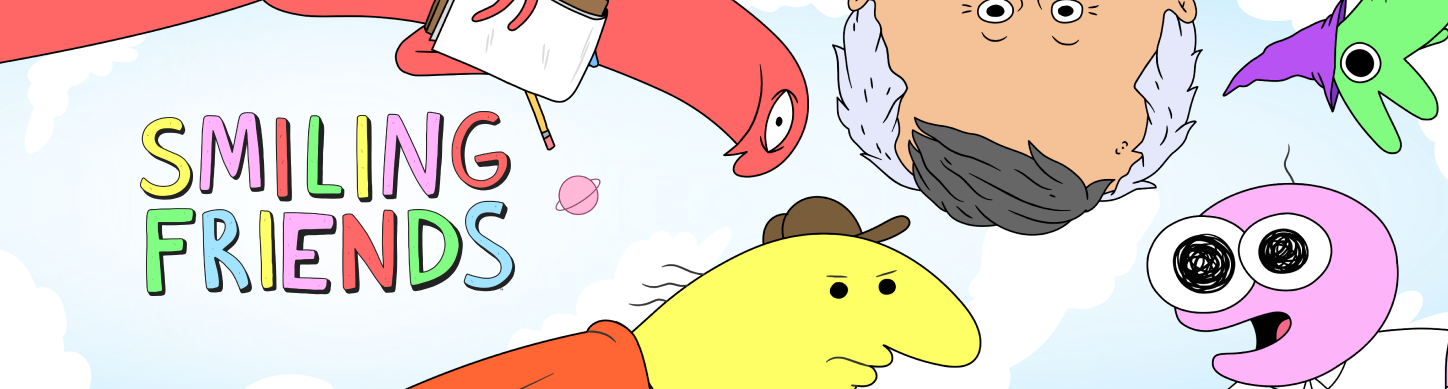




.jpg)
