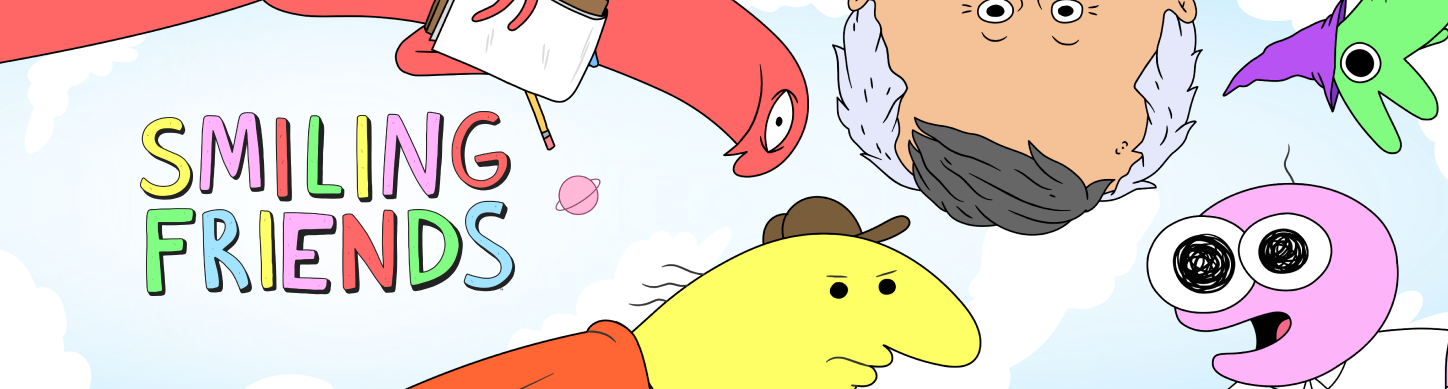
Showing posts with label future. Show all posts

Sunday, August 30, 2026

Seasonal Blues and How to Solve Them!


Welcome back to the wasteland!

With the end of August there's usually a lot of nonsense one needs to fight through to get back to stability again. I'm not sure why exactly this is the case, but it 100% always seems to be how it is. It oddly isn't just a thing for children and teenagers having to readjust to school again after losing their precious summer vacation. Even as an adult the seasonal change still is in effect, regardless of your occupation. There is a sort of lingering panic affecting everything from coworkers to higherups, forcing a mood that doesn't quite settle until the weather itself does.

We're all waiting for fall, essentially.

This also leads us to point to a strange feeling in the modern world, especially with the internet, in how the seasons all seem to last longer than they used to, even though time passes faster the older you get. A lot of people wonder just how that seems to be the case. Is it just fighting the passing of time, or is there something else there?

Well, the main reason we do this is that we're trying to subconsciously competing with a world that wants us to be faster than we can actually be. Seasons become longer because we're simply not allowed to enjoy them as they are anymore. Whether it is due to loss of local community and family or a culture that continually presses for more materialism and less meditation, the end result is that it is always over before we even realize it began and we're on to the next thing already.

This is the real reason Christmas music plays in November, people begin outwardly yearning for Spring at the start of February, and why a lot of people begin preparing for Halloween around Labor Day. They want to get into a mindset longer than they're socially allowed to have it, and in a society of alienation there is really no reason not to do it. Not to mention that if they don't, they barely get to celebrate it before it's over and we're on to the next thing.

The fact of the matter is that the world moves too fast now. It's been moving faster and faster with less and less care for how it effects the populace for quite some time now. We already don't have enough connection with each other as we used to and there is little means for us to fix it with how we currently operate. The way things are isn't enough to satiate us as social animals, so we look to solutions to this endless issue.

If you want a real solution it is to have more holidays in the year that mean something. I don't mean obviously cynical ones like Valentine's Day or even a one day event like St Patrick's Day. Without a monoculture, the few holidays we have are the few times we feel like we belong to a greater whole anymore. If we want to savor that feeling, well, all we can really do is extend the biggest ones we already have with us. We'll never agree on a new one with the current fractured state of things. This is why Halloween and Christmas in particular are the holidays that last the longest. They're feasibly the only ones we can stretch out longer beyond the day everyone accepts socially.

And, to be honest, I don't really understand the complaints about it. It isn't like you're doing anything else in the meantime except living through another generic day that seems to blur from one to the next. What does having a longer season to celebrate really take away from that? Nothing, really. It's just a residue of the anti-social instinct we've had implanted in us as acceptable for literal decades at this point.

Having the autumn season be a build up to spooky season gives it more for us to do amidst the doldrums of returning to school for kids or getting over the jarring completion from the hot summer season to the mild one adults go through. Halloween is so tightly tied with the autumn season and falling of the leaves that it makes sense that people would get in the mood for it ahead of time, much like Christmas is so tied with winter. We need more to look forward to beyond just another day doing what we already do.

However, I would agree with the idea that hopping from holiday to holiday is exhausting. Christmas not beginning immediately after October 31st is a good thing, we do need space to anticipate it, but the holiday also isn't supposed to end on December 25th, either. And yet for as long as I've been alive, it has not extended into the worst month of the year (January) like it is supposed to and where it would add a lot to an otherwise nothing month where literally nothing happens except cold and everyone being miserable and sick. Would Christmas being properly celebrated not help make that lousy month better from all the cold, snow, dreary feelings, and nothing happening in it? Would it also not help to have a proper holiday to anticipate after it to look forward to? It isn't as if there are many holidays to actually build up to in the first half of the year before Lent, either. Perhaps that should also be addressed. Three months of cold and nothing else isn't exactly healthy for anyone.

As the above video states, there is probably some crass commercialism involved here, but it's almost irrelevant to the discussion. The stores stock every season much too early but most people don't pay them any mind except to complain about it. The only ones that regularly get the complaints are Halloween and Christmas, as it's usually due to people not wanting to be part of the social fabric including those anymore, as if that isn't a key problem with the way things are and why they're being pushed more and more as a consequence. September and October leading to Halloween, and Christmas centered on December through January (it should be the start of February, traditionally, but no one wants to have that conversation yet) is about a quarter of the year where we could potentially act like a society that appreciates and shares the same general experience, and deep down that is what the majority actually wants, but we make no moves to do it.

That is what we had long ago, and what everyone still craves. We might not have celebrated those holidays as much back then, but that is also because we were tied together more tightly for the rest of the year. We don't have that bond anymore, and it is why the masters in charge downplay both holidays every year while the rest of us have been ramping them up more and more these days in the opposite direction. In a sense they are a few of the things we still have left and losing them, or choosing to opt out these days, in a sense is saying you're done with the social contract. If that is what you want then don't be surprised when things don't improve when they're finally gone. Because they most definitely will not, nor will anything pop up in their place.

Of course there are also those that take every season and make it about themselves. You've seen it yourself. The decorations, the costumes, the events, all made to make the person organizing them the winner in some competition in their mind, to put them above everyone else, something only exacerbated by social media. Those who engage in this tend to cheapen the experience and make folks more cynical about the season and what it's for, but the key isn't to abandon the season: it's to make said people know this isn't how things are supposed to be done, and how to make it better. You don't abandon stolen ground, you reclaim it instead. We've spent too much time just ceding everything instead of fighting for any of it.


We still need that connection. It isn't going to go away, no matter how much we downplay it or think we're above it. In fact, that desire for belonging has only increased in recent years. Deep down, we know what we want.

Memories matter, but so do shared cultural memories that the wider populace is able to have together. We're having less and less of those the further we get into the 21st century, and we need to do something to fight against it, even if it's working with what we already have fumbled. We need to do something drastic before we lose it all, because that is the only alternative future ahead of us besides reclaiming what we lost. There is no better alternative coming.

It's either preserve and build, or lose it all. That's it. This starts locally and personally, as all change does. Create what you want to see and promote it as wide as you can. Support others, don't sabotage, and push the most obvious and simple changes you can. That's the only feasible solution to combatting decay and atomization. We need to create what we want to see.

So let's create! That's what we're here for, after all.

That's all for August, ladies and gentlemen! We'll soon be leaving summer behind for more colorful skies to come.

Until September, have yourself a good end of the month!


Wednesday, March 25, 2026

Nothing Left to Watch


Welcome back to the wasteland!

Been a bit since the last post, but there's also been a lot going on behind the scenes. For instance I was suspended from Twitter/X last week for "Inauthenticity" despite my account being a decade old and have been given no actual explanation for it. I severely doubt a human being has even been involved in the process. That said, there's little I can do about it from my end.

Anyway, let's get to today's topic. We're in 2026 and we're nearing the end of a lot of things we thought would be immortal even a decade ago. In fact, we're closer than we've ever been before and there is no turning back.

Movies are over. I bet you've heard that statement before but never really put much thought into it. Why would you? Everyone has been saying it for years. On top of it, it's very difficult to imagine how the death of an entire industry will come about or look like, especially one older than any of us alive today. Well, now you have a very good view of it happening right now and right before your eyes. You are witnessing Hollywood dies as we speak, and it's no embellishment or lie. Everything is coming to an end, and it won't be much longer.

The above video from Red Letter Media features a look at the recent trend of a sea of flops flowing out of Hollywood. Not even movies people aren't seeing but movies people have never even heard of, movies that barely even exist. Content being pumped out into a flood with no destination is everywhere and nowhere at once. These works might as well be AI generated because for all the effort it is making the same impact on the audience as someone who pumps a random joke video out online. No one is seeing anything anymore, and that isn't going to change.

And the question of why that might be is an interesting one. The younger generations are not watching movies or TV anymore. The only thing that makes money is old IP (which means it is primarily Gen X, Y, and Millennials, watching what is put out) and nothing new is being created or built up. There is no younger audience being cultivated which means the industry is destined for the grave. Much like comic books and the music industry before it, the old ways are not attracting new faces anymore. The only people keeping the old crumbling machinery operating are the nostalgic who still consume the old IP hoping for some of that old forgotten magic to return again. Some even tell themselves that it's just as good as it's ever been. This isn't a formula for growth, creativity, or anything new being done, it's just stagnation.

While this is going on in the foreground of the industry for all to see, behind the scenes hides an even bigger disaster.


At this point, it's all just fighting over scraps. Whatever idea that creativity was ever a part of the formula has long since been lost to cynicism and grifting the next couple of bucks out of the nearest mark. This is the only idea anyone in charge has left. There is nothing being built in these formerly big spaces, it's all in decay.

The older generations only want nostalgia and the younger generations want nothing. Nobody wants a future, so one is not coming. In a few generations these industries will be gone, dead, and buried, with the geriatric Gen Y kids who couldn't let that IP die . . . well now they can then be buried with it. So in the end they get what they want.

Though there are plenty of younger people interested in old artforms, none are actually interested in the current state of any of these industries. No one wants to be a movie star or a director, they want to watch Charles Bronson or see David Lynch's filmography. No one wants to go to the theatre, they'll watch an old movie on streaming or (increasingly) DVD and Blu-ray instead. No one wants to rent from Blockbuster, but they want to know how the rental industry worked. In essence, it's more interesting as a myth than as it currently stands, like walking by the ruins of an old civilization and barely remembering it was there not that long ago.

The above example of the video store is actually the subject of a brand new game released on Steam that appears to be gaining traction recently. Retro Rewind: Video Store Simulator is about running a rental store, specifically, in the early '90s when rental stores were at their peak. There is a good reason for that.

This is because despite appealing to that Gen Y nostalgia, it was also a unique time in modernity not likely to ever be repeated again, and this is really the only way to present it in a way that makes sense to modern sensibilities. There isn't any way to really explain to people who weren't there how these places operated or why they were a big deal.

But now they can have at least an idea.


One might be surprised at how interested younger folks actually are in these old mediums: movies, TV shows, music, video games, and comics. They are just, like everyone else, not interested in the current zombie versions of these things as they exist in in the void of Current Year. One can't blame them for that. They want something made for them, but their generation gets nothing but table scraps and cynical brain rot appealing to keywords and hashtags (the modern version of buzzwords) that exists only to pander and grift a few dollars out of their already slim wallets. No one is aiming for them because they have no idea who they are.

These industries are all fake, and they know it. However, that doesn't mean they don't still hunger for art and entertainment that means something to them. Everyone will always want that. They just know they won't find it in the modern world where everyone is out to get them, not speak to them. It's just a lost cause.

So what actually is the solution? How does one even talk to the younger generations when we don't even speak the same language anymore? Can it be done?

No, probably not.

The only solution is to create a society that values high trust, shared values, and community. It would have to be the opposite of today's hyper individualist (yet, paradoxically, highly conformative) society of backwards language, constant political agitation, and hatred of the past. As long as these divisions exist, there will never be any sort of world like that one that was lost. It will just be more division and less in common until we are little more than several billion little islands floating around detached from each other in the sea of modern society. It's a dead end.

Until then, well, this is what we're left with, and this is all we'll have. Better get used to it, because we'll eventually lose that too. That's just where we are now at this point in time.

I'll leave you with this bizarre (and oddly common) find on YouTube, before that, too, is also eventually swallowed by the void. Travel back to this strange mirror universe of 1991, back when you still had a shared culture and wonder where it all went.

Because it's not coming back again, and the younger generations seem to understand that a lot better than we do.

Thanks for reading! I'll see you all again soon enough.


Saturday, January 31, 2026

World of Pulp


Welcome back to the wasteland!

It's been a crazy decade+ since the pulp revolution first kicked off in earnest way back on those initial blog posts (since collected in one book here). No one would have guessed way back then that so much of what was being said would become standard advice in the NewPub world after over half a century of slander and libel against them proved so effective. At the time it felt like an uphill battle to even give the pulps are fair shake at all.

Back when I first published in 2016, no one was talking about the pulps as anything but either a problematic punchline, or something you had to scrub clean if you wanted to take advantage of what they created. In the time since that era, however, things have changed 180 degrees in the opposite direction. Now saying that you are inspired by the pulps is a selling point to just about anyone looking for something to read.

The pulps have gone from persona non grata into being the belle of the ball. It's still a bit hard to believe for anyone who has been around that long.

The above video is just one example of many in how newer writers are no longer told to tiptoe around the idea of the pulps, especially in a market hungry for something exciting and outside of OldPub's safe boundaries. You can do anything, and all writers and readers need to know that: the dusty old formulas are done and finished. The best example we have are the pulps, and now everyone knows it. Go big or go home.

This is now considered mainstream advice to read and learn from the pulps, without even considering any "problematic" elements, and that would have been unthinkable even a decade ago. Even those in more normie adjacent spheres and platforms say the same thing.

Here is another example from not so long ago of someone praising the pulps from an angle no one would have considered before recent times:


If you haven't noticed, the "problematic" nature of pulps was either barely mentioned or not even talked about at all, which would have been unthinkable post-1940 before now. This is the shift I mentioned way back in the Pulp Mindset: the writing world is different now and the future is in NewPub where the rules have radically changed.

And as things change, so to does how we print and acquire our books. There is more to discuss outside of the stories themselves.

You probably noticed, for instance, how bad Amazon has gotten recently. The downgrade isn't just for general consumers but also for writers and readers as well. It's not only harder to reach customers or gain any momentum on a dead algorithm, but it's also difficult to find a price balance that matches the quality writers want to deliver and readers want to pay for. The options are not exactly getting better any time soon.

This also ties into the recent death of the best available print option for books, the mass market paperback. With OldPub ceding the field and giving up on reaching normal people, what can those in NewPub do to change this?

Here is a report from NewPub maverick Kristen McTiernan, the "No-Nonsense Editor", on some of the new publishing options going forward due to Amazon's collapse, her focus on using pulp as the guiding light.


Not only do we have to consider changing our stories, but now the very formats they are being distributed into may very well change in the near future as well. Whatever is left of the old 20th century OldPub model is slowly crumbling away.

And, to be honest, it is more than overdue.

We're a quarter of a century into the 21st. That's 1/4 of the way into a new era and one rapidly escaping the clutches of a dead time and place. It was never going to stay the same forever.

As can be gleamed, there is much to ponder going forward into the Unknown, but it is more than clear that the status quo will not be so for very much longer. What we thought we knew turned out to be not as much as we figured, and now it's time to correct course. And it looks as if what that entails will be revealed sooner than later.

Whatever happens going forward from here, should be very interesting to see.

Thanks for reading, and I'll see you for the next one!


Saturday, January 17, 2026

"Do You Understand?"


Welcome back to the wasteland!

We're finally in 2026 and the new year. Hope I didn't keep you waiting too long!

As you can see, things are a little different around here these days. Posts will come out when they come out, and will be about whatever I can make them about. However, most of my writing energy is focused elsewhere this year so it'll probably be a light one for posts. Regardless, here I am, and here is the first post for 2026.

Today's subject is not entirely related to the video above, though it is included in the subject. I realize what a controversial topic the AI thing is and how there are so many triggerwords that set emotions off in different directions when heard or read, but I'm hoping we can bypass all of that to talk about it from a different angle. Instead of talking about "real" or "fake" I want to talk about the future and how we're going to process information. 

The Second Story's video is specifically on how AI is coming about at a bad time for literacy and making it worse, which no one really denies, and she is very thorough in her argument. Whether you are all-in on or staunchly against AI, the truth of the matter is that there are positives and negatives to it neither side wants to acknowledge in order to keep their position pure and just. We can admit that. That is fine and all, but that means there are angles that can't be discussed without a portion of those involved in said argument flying off the handle in a fit or rage or smarmy sarcasm. This isn't exactly a productive use of anyone's time.

None of that will help with today's subject. I want to talk about a part of this whole debate that is never really addressed at all.

Now I know how divisive or tiring the topic might be, but I want to specifically point out one part in the video itself to focus on today. This is on how AI affects not art or even writers or artists, but on cultivating readers.

The clip is here:


For as long as I've been alive, and maybe for yourself as well, we've been very busy trying to automate the world to make it easier. The question might be to ask "easier for who?" but even that is not necessarily the subject for today's post.

The end goal of modern society for at least as long as HG Wells was talking about "The World Brain" and what "we should do with ourselves" has been a conscious effort from a gaggle of late 19th/early 20th century materialists to create Eden on Earth. All we had to do was train human beings with the right keywords and phrases and eventually they will become like algorithms themselves, endlessly operating until they fall apart with age to be replaced with new cogs in the machine. Heaven on Earth for those in charge.

However, without any theory of what human beings are beyond meat puppets on strings, they also hold no value of them as living beings because "living" is a vague term that can mean whatever you want. In essence, human beings are nothing but pawns on the board that get instantly replaced with new ones, because that is how those in charge think the world works. They don't actually have any theory in mind for groups or individuals, they don't care who anyone is or what they're apart of, all they want is new pieces to constantly replace old ones.

What's worse is that they don't even remember why they're playing this game in the first place. To them, it's just How It's Done, because that's how their father and grandfather and great-grandfather operated, oblivious in the knowledge that the period they live in is an anomaly in human history, not the advancement of it, and that it is very clearly coming to an end. Whether they realize that of not is irrelevant aside from the fact that they are clearly losing control.

This doesn't mean they will be "overthrown" or "destroyed" or any fancy buzzwords they taught us from the fiction and fictious accounts of history they allowed to be spread, but that they are decayed along with everything else. They might think they're winning, and in a material sense they probably are, but in the end they will also be a cheap mockery of what came before. They do know this. The question is if they can gather the strength to avert from the iceberg before it's too late and they end up like every other era in history they pretend never happened.

So what does all this have to do with literacy?

The point is that we were never taught to actually process information or learn. We were taught to react to key words and phrases to guide is into our slot to keep the factory chugging along, even as it falls apart around is due to misuse. "Literacy" has never actually existed to make us smarter or to build anything new, because that would go against the Spirt of the Age. Those were always just buzzwords to keep us in line and to puff our chests out. Remember the Kid Who Reads archetype from the '90s? The "reading is magic" and "imagination is everything" hokeyness? Those weren't done to make anyone more imaginative or to be better readers. If they were, and if everyone remembers that happened, because it did, why do less people read than ever before in human history?

And no, this isn't about the younger generations, because I can see the technological excuses coming a mile away. I'm talking about the older generations, the ones that were reading Harry Potter while playing Grand Theft Auto: Vice City or Goosebumps while playing The Legend of Zelda: Ocarina of Time decades ago. Why don't they read anymore? They indulged in Reading Rainbow like everyone else, and they read when they were younger. So why not now?

We might be "busier" but every generation was busy and yet they all found time to read. One could also point out OldPub's complete collapse and failure to create readers (In truth, their job is to pass on the "correct" knowledge and behaviors, not teach creativity or spread imagination), but that wouldn't also explain the aversion to indie spaces or classics. At some point, literacy changed focus to relying entirely on catch words and social pressure at the expense of even understanding regime propaganda. They don't even want us to think that much anymore.

Perhaps that should be the question we ask when the fading culture of today drops things on our laps: how will this help us escape the trap we've been stuck in for so long? Will this get us out of the failed utopia of HG Wells and his World Brain? If not, then how is it designed to keep us there and what can we do differently?

For now, we can only ask questions, but if we aren't allowed to ask them, or even teach others how to ask, then we'll be stuck in the loop, destined to decay with the system that created it. And maybe that's the lesson in all this.

Anyway, thanks for reading and welcome to 2026! I'm not sure when the next post will be, but I will thank you for reading for so long. It's been a blast.

Have yourself a good week and I'll see you again.


Saturday, December 27, 2025

Weekend Lounge ~ Are You Smiling?


Welcome to the weekend!

It's the last weekend of the year, and boy has it been quite the 2025. I'll talk about that in one last post on New Year's Eve to close off the year, but not right now. Today I wanted to focus on one last straggling topic I've wanted to cover but could never quite figure out how to. As you can tell I wanted to talk about a more recent phenomenon.

Today's topic is simple: Why is Smiling Friends popular? This might seem like a silly topic but it's one that's been at the back of my mind for a while now. This random show has seemingly taken the internet by storm in a way we haven't seen since probably Rick & Morty's initial explosion, and that was a while back now. Where did this show come from?

Now in case you don't know what Smiling Friends is, I'll try to go a bit into the background of it. The first thing to know is that this is a cartoon they debuted on Adult Swim with a pilot way back in 2020. Season 1 premiered in late 2021 with 8 eleven minute episodes (and one special), season 2 in 2024, and season 3 just this year, with two more seasons to come. The show was created by Michael Cusack and Zach Hadel, animators with a past on Newgrounds and YouTube, and an understanding of older internet culture and humor divorced from current trends. As a consequence, its comedy and animation style has managed to connect with not only older audiences but younger adults as well. Smiling Friends has a strangely universal appeal despite its very niche existence.

The series itself is about a pair of friends named Charlie and Pim who work for the titular company. Their job is to do what the title implies and bring joy to their client's lives no matter what it takes. The universe is a sort of a Roger Rabbit-like one where both people and weird animated races live side by side, and all the chaos that would unfurl from such a place. As a consequence the show also experiments a bit with character designs and animation styles, making its visual style very dynamic and adding to the unpredictability of the series itself.

You never really know what each episode will bring.


[Counterclockwise from Top: Mr. Boss, Alan, Charlie, Pim, and Glep]


All of these factors help contribute to what it is that makes Smiling Friends such a success. Its budget is also miniscule, an entire season purportedly being less than a single episode of Family Guy or The Simpsons, and its odd tone and sense of humor also sets it apart from the tidal wave of Adult Animation that we've been inundated with since the 1990s. That being that it has a truly original sense of style and execution the industry has been lacking for ages.

To understand how this is, I should explain with a comparison. Let me give you an example using a recent animated film I saw.

Back during the summer I viewed Genndy Tartakovsky's Fixed, an animated film about a dog that was about to get fixed by his owners for, well, being a dog. The film is animated extremely well in 2D, some great designs and shots, and some scenes (the one with the cats in the alley, specifically) are extremely well done. All in all, it has all the makings to be a good cartoon.

That said, I didn't quite enjoy the movie. The reason? Oddly enough, it's entirely centered on the writing. The writing was been there done that and dated '90s shock humor I've seen a million times with no new wrinkles. It's hard to be shocking when you've been outdone by things the writer himself did (A Simpsons writer from the classic era wrote this movie, by the way) a quarter of a century ago. As a result, the film is hard to recommend unless you literally don't care about seeing the same thing you've seen a million times just animated really well this time.

That is my controversial opinion on this controversial movie, and that's that there isn't anything here controversial. It's just tired. I guessed everything that was going to happen before it did, because I've seen it before. Even the "moral" is straight out of the 1990s. Good animation can't save boring execution, and this movie is boring.

The problem is that western animation is still stuck in the 1990s irony-poisoned cynical and depressive mode its been since that time. Something like Fixed compared to Smiling Friends reminds us that Fritz the Cat wasn't well received for being shocking, but because it was literally doing things in animation we hadn't seen before. It is nice seeing an animated show with a unique identity trying to aim for something actually interesting for once. No therapy writing or pointless nihilism as a punchline, no reliance on shocking through tired gags to get by, but an identity that is uniquely built for the series itself.

The above video describes it more in depth, but what makes animation such a great medium is the expressiveness in drawings you can't get with other mediums. We've spent so long watering down what makes every medium what it was for the past 30 years we've gotten to the point that being the medium itself is considered criticism (see the terms "videogamey" and "overanimated" that did not exist back in the 1990s) because something dares to do what the medium does best and was always built to do. It's all backwards.

It's as if we've been taught that abandoning the medium itself for some kind of blob of non-identity, of generic Content, the kind that fills the corners of modern corporate slop, is the highest aspiration. How long can a medium keep itself locked into a time that is a quarter of a century old without dying? That's the question. And I think we have our answer via the current stagnant state of things.

And it's part of why the creators of Smiling Friends created their own studio. ZAM Studios was made in order to combat what the founders deem a stagnancy in the medium and in the industry itself. They are hoping to bring back some of the spark the industry has been lacking for some time. You can read the linked article to learn more.

Here is the work they did on the Billy Idol song from his recent documentary:


So what comes next? Well, it seems like underground animation has been making a lot of strides over the past few years. Perhaps the medium will soon dislodge itself from this stuck rut its been in for much too long and start delivering uniqueness again. We can only hope.

Until then, we have at least two more seasons of Smiling Friends to look forward to (probably more than that, honestly) and hopefully a new direction for the western industry that tries to take after its success. It would be nice to have an actual good trend spring up for the first time in ages. I sure hope it happens.

Animation is a greatly unique medium that deserves its respect. Not in the sense of making it "mature" or "serious" or whatever warped perception we have of art divorced from reality, but in the sense that it offers a way to communicate differently than any other one, and that is one that should be cherished and cultivated. We do not need anymore subversions or inversions of what makes the medium what it is: we just need to want to have it at its best. No more Peggy Charrens or endless subversions of her disastrous work as the be-all end-all of the medium.

We need to build, not tear down. And to do that, we need a new perspective on how we got here in the first place, and how to move on from it.

That's also what art is supposed to be: a celebration of life, of being alive, and what we're all capable of doing and being. We don't need crusty, dated 20th century principles and subversion to guide us anymore. We can finally aim for something better than that dead era.

And we can also have fun along the way.


Some examples of the show in action


Saturday, November 8, 2025

Weekend Lounge ~ Choose Your Future


Welcome to the weekend! We made it to November!

I hope you're all doing well as we stumble into the colder months of the year. Now that we're heading towards the end of this very, very, very, strange year, we can finally talk about a bit more of a generalized subject not relating to said weirdness. Today, we're talking about what we really want in a story: what we really want out of art and entertainment.

Blog favorite YouTube channel, The Second Story, has been on quite the streak for some time now, digging into not just the writing industry, but also the tropes and ideas that have let it spin out into the gutter over time into what it is today. No one agree it's in a good spot now, but we also don't agree on how to fix what's wrong. So it is nice to see a place offering a real analysis that goes beyond catchphrases and cliches into one that bigger issues might be. However, this analysis is not for nothing or even really click-baiting, but in actual real attempting to steer discussion on topics no one was considering before: ones that need discussing.

Today's video subject is no different. In fact, it has more to do with a lot of The Discourse today than we might think at first.

The question of heroism in this video centers on what exactly a hero is. Mainly, it centers on how what a hero is and how it depends on the health of the very populace said stories are made for (as well as who is writing them). Whether the audience wants to read about white hats succeeding and protagonists to look up to, or whether they want to look down at the hero to give themselves a boost in their own life, all depends on the era and the times the stories are written in. In other words, "Anti-heroes" in a sense don't really exist: it's all perspective of the times and those living in them.

Stories are not propaganda, despite what some will say. Stories are a window into the times they are written, showing what the people thought and believed, and how they behaved. What they are is a time capsule of an era and place that cannot be replicated (hence why revival movements never stay still too long) or explained otherwise without context. When you read a book you are looking into a world beyond just the plot and the characters. You are connecting with a whole other space beyond even that. This is what makes writing (and all art, honestly) so fascinating.

There is more to life and art than repeating mottos for the mob of your betters in order to nod together over and be tossed approving glances. We always need to aim for more than that bare minimum. But the times we live don't want their artists to aim high. They want them to fall in line with entropy and slowly fade away.


Writing aims high. The industry? Not so much . . .


Not to say any of this is new. Of course it isn't, there is plenty of bad art and entertainment out there, and there is much that come across as horribly dated simply for being filled with copy-pasted buzzwords, tropes, and acceptable topics of the time period it was writing. What is missing is that such art was looked down upon even at the time. All the more reason not to do it today. It didn't work then, it won't work now.

However, there did used to be alternative scenes and industries. Those have all gone away, but there is still a nostalgia for them. It has given us the illusion of more choice in a sense (as far as the mainstream goes, it was objectively better in selection and variety before), but when one looks into what the gatekeepers were trying to do it back then shows the decay over time into what it is today. We just didn't see it at the time because most of us were young or not plugged in.

It's one of the reasons so much 1980s and 1990s era art has remained so popular, even with younger generations not alive for it: people are desperate to see into a more exciting world, and the one we have now is simply not adventurous, ambitious, or hopeful. The audience want it to be but the industry will not provide that to them. Their inability to live in the present or look to the future means the only place left to dive into is the past. The loss of a monoculture and that a shared wider understanding of reality is still desired, and I'm sorry to say that they cannot get that in modern art regardless of how good it is. You can still get attention saying Lord of the Rings sucks; you won't get any saying King Leper is amazing. They want to feel part of a larger conversation before anything else, including engaging in art. That's just the way it goes.

When this era is looked back on in the future it is almost certainly going to be one of confusion, like a minefield that has expended all its explosives. Why is there so much good art that was barely touched on while crusty corporate swill that expired decades previously got all the cultural discussion will certainly be a big topic. That is due to the lack of cultural cohesion of these times, and it cannot be avoided. However, it will certainly not stay this way forever. It never does.

The 2020s are half over and we still have not quite gotten a defined identity or style to set us apart, and without a monoculture we probably will not, but what we can still do is seek Truth above all and find connections that way. Through the desire for more and higher places we can come together in a more natural way, a way that can allow true flourishing in the arts. This post- Cultural Ground Zero era will probably be defined as a Dark Age of some kind, where treasures will have to be unearthed long after the fact. As it is now, it's merely a mess that cannot be cleaned up.

Then the question becomes in how one can form a defined identity to connect with audiences in this era without having any shared Truth or traits beyond surface level. It is not impossible, nothing is, but how can we even begin looking for the answers? The preview of what this will look like is reflected in the above video's discussion on anti-heroes. So much of what shapes us is dependent on the era and also shared understanding of who we are. That doesn't go away even if there is no wider culture to connect us together. As can be seen by the way we behave even in these times of atomization, we still desire that safety net. We always will.

So without such a thing being enforced from the top down or without those old peer groups that don't really exist or care about each other anymore, where would it then be formed today? Where would it even come from, and is there a way out?

There is, but it's not an easy or satisfying answer. In fact, it's kind of a cliche one to suggest, not that we'll hold that against it. Sometimes the truth is really that obvious.


Standards like this benefit no one.


There is something to be said about not worrying too hard about the outside world when writing or creating. After all, there is not much you can change or effect, so why worry about it? All you can do is what you can do, and not much else.

This is true. What you can do is limited, and you should never forget that. We all have things we want to do, and ambitions above us, however we need to remember we're a part of this, not above or beyond it. We're not Futurians: we don't have to mutate and die.

However, we still live in this world. We are still affected by it, we still react to it, we try to understand it, and we try to see where it's all going. All of that is unavoidable when creating art, even if the piece is deliberately ignoring all those questions in order to reject the discussion. This isn't political, social, or religious: it's just how art itself works. Art is all those things, and none of them, at once. To pick the process apart further is how you get propaganda, and how you lose audiences. All we want is to find a way this all comes together in a way that makes sense relative to the era we live in.

This isn't a call to tell anyone how to create, because that makes no sense. Part of what makes art so great is seeing how others approach certain subjects and ideas with their own angle or thoughts on the subject. Anyone who insists on rules around the creative process itself, or on what can and cannot be addressed in the creation, does not care about art itself.

Despite that, we also aren't in the 20th century anymore. It must be repeated until it finally sinks in. Wholesale rehashing of ideas and tropes from over a quarter of a century ago in an attempt to ignore the way things are now only works if you have something to add to the conversation of the world we live in. This is why old IPs are dying: their time and place has passed and their relevance cannot be replicated, especially when the creators themselves are either gone or uninterested in anything beyond their checkbook. There is nothing there anymore, and no matter who gives their "interpretation" of said properties to make them "relevant" to today, it can't change that reality. Those days are gone, and they cannot be replicated or relived. We have to find new paths.

But you already know that. We all know that. The path now is in choosing what future we will have next. What kind of hero are we going to be? What will we see as the anti-hero in this new era? Exciting times are ahead of us, and we still have yet to finally reach them.

It'll only happen when we finally choose a future worth having. That is going to happen sooner than we might think, but it's not something we should ever stop aiming for regardless of the end result. We're always going to want more. Hopefully this time it's the right kind of more we decide to aim for. We're about due!


Saturday, October 25, 2025

Weekend Lounge ~ The Big Shift


Welcome to the weekend!

We've talked about the future of the publishing industry and how it's changed so much over even just the last few years. But while we go on and on about death of OldPub (and yes, it's done and finished) we also do not seem to have much of a plan for what NewPub's future will be. Not that one can "plan" a future for a large burgeoning industry like this, but more that there isn't many ideas been discussed about what should happen.

The above video by David V. Stewart is not one of complaining of the market itself, there is little to be done about the state of something you can't change, but more about the realities of how things currently are and the modern mentalities that prevent us from improving our station in any significant way. The truth might be that "indie" owns the publishing world right now, but it is a mess for discoverability and there is no real way to connect with a larger audience due to the sheer amount of Content being produced in lieu of actual stories.

As mentioned many times before, NewPub, as it is right now, is not the savior of reading or writing in the modern age, which is what it needs to be. The industry is currently a pit of rehashing late 20th century cliches and stereotypes into a void and getting as much return as those trying to reach audiences on any level other than those engaging in pure surface pandering. There is no real way for a writer, good or bad, to sift through the noise and reach a wider audience.

And the biggest problem is that the noise is getting louder and drowning out everything else while the base audience remains the same size, or continually shrinks.

One can argue and scream about AI until they are blue in the face but the side of the argument not discussed is its ability to flood the market with Content. This deluge of Content overwhelms and crowds out everything else to pander to the lowest common denominator. It takes away any sense of true selection and turns NewPub itself into a battle of who can advertise their Content better to a narrow audience instead of being about creating art to connect to a wider audience. It more or less turns the industry into a cynical cash grab, and the worst part is that the cash is barely there to begin with. It is not giving the audience more choice, it is telling them there is only limited Product that can be generated and that they would better use their time finding some other space where wringing dollars out of a half-interested customer base isn't so paramount.

This is why NewPub has had the growing pains it has had, and why it hasn't reached its potential. It is not the readers who caused this but a large segment of authors who merely wish to have their names on products and rehash their version on half a century old genre tropes to the void. There is no direction, no goal, and no cooperation, to anything bigger. All any onlooker will see is chaos and vapidity. Neither will grow any sort of scene, and that's why there hasn't been the audience explosion there should have been.

Of course one can't ever build a scene based on quality alone. Quality isn't as subjective as we like to think, but taste very much is, and the truth is that there is no real uniform taste in the wider culture anymore. Yes, this is mostly due to the destruction of the monoculture, but even alternative scenes once used to thrive when they had a unifying element to them. Simply put: there is still a whole alternative ecosystem missing. Everything is just as blown apart and atomized as audiences are from the mainstream industries.

Before the age of mass media it was much easier to have universal themes and connection with each other, but in the age where everyone's fetishes, preferences, and hyper specific niches almost become personality traits in themselves, there is little reason to find anything outside of our narrow worlds, especially less of one when the ultimate goal is Content Consuming. Even more so when you can automatically generate your own personal Content instead. Why would you go looking for any outside yourself at that point? As we can see from how things are, the audience doesn't see any reason to patronize creators when they can have the bare minimum for nothing.

There is a lot of doom and gloom in just about every artistic circle these days due to how much more fractured, unsteady, and broken, everything is. No one can really get a foothold unless they want to pump out algorithm defined Content into the ether, which is how we've been trained to treat entertainment and art our entire lives. But we also all know that this exact mentality is what led to this current state no one enjoys. It can't continue, and in order for it to stop we need to find other ways, and until we do it's only going to get worse and worse.

And it already is doing just that. We have not reached the bottom.


Just because OldPub is worse (as the above video shows), it does not mean it is okay for NewPub to kick back and rest as that implosion happens. It's really not going to do anything but chase even more readers away from the hobby at a time where we've already been hemorrhaging them for decades now. We need to grow, but we don't seem to want to do anything in order to actually do that. OldPub doesn't think its readers matter, but why do so many NewPub also think this same destructive way? Where are the conversations happening about this topic?

This throwaway style of thinking about art has made everything feel disposable and pointless. There is nothing being built on, only a race to the bottom whether it be in production itself or in a drive for artistic merit. What happened to striving for more? Not only just as artists or audiences, but as people? When do we stop living by moldy tropes and jangling keys and start looking for connection and meaning once more? When do we stop treating life as a beltline factory? The 20th century is dead. I keep saying it because we seem to not want that reality to sink in.

There is no individual or wider callout here. I am just as guilty of thinking this way about the world. It is only when witnessing the destruction of things I loved that I could take stock and realize not only how temporary they truly were but also what really mattered beyond the surface level. And yes, even the "trashiest" piece of entertainment can still house a spark of life in it that can affect anyone who comes across it. All the more reason to make it mean something in the greater scheme of things.

The video from the Second Story above shows how even plot structure and general story mechanics, even when Done Well, can be sued to peddle pure trash into the mind and soul. It isn't just a matter of Content, but intent. Why does your story exist? What does it exist to do? What is it for? While leisure and entertainment is a fine enough reason, it still has to give something edifying to the readers beyond checkbox lists, otherwise it's just clutter. Said clutter is what we need less of to truly set NewPub apart from the rotting old system, and that is absolutely not currently happening. In fact, it is the exact opposite that is going on.

NewPub or OldPub, the overall issue is that while everything has changed much on the surface and in the wider world, the biggest thing that hasn't is our mentality towards both creating and taking in entertainment and art really hasn't. We still want to replicate the exact tropes and styles from when we were kids without adding anything to them or giving new context. We just want to rehash into the void while expecting others to lap it all up. Even when replicating dead OldPub trends that were floated by mass media manipulation and friends in high places decades ago is now no longer selling because they were never actually popular to begin with. The entire framework we grew up under was fake and we still have yet to let that sink in, never mind affect what we make. The frame shift is a lot more jarring than we want to accept.

This fractured state of everything makes finding a universal touchstone even more difficult, and that's without even getting into quality at all. Everyone now has their own island and reaching them in the first is an overwhelmingly Herculean ask that no writer has ever had to worry about before. Art needs to connect, but finding common ground to connect today is a problem without even considering art at all. And using crusty formulas and AI models to pump Content out does not address this deep societal problem. In fact, that only makes it worse.

For example, think about what creating entertainment for a general audience entails today versus yesterday. No, I am not talking about vague mass media consumer demographics, I mean such as old family sitcoms or classic cartoons used to be able to reach. They were things meant not for kids or one group, but for everyone in the family to enjoy together. Can such an audience even be imagined today when making something? Even if it does exist, how would one even begin to approach them with their art? Can we even imagine spending time with our real life neighbor, never mind a stranger producing a piece of art for us? Those are the real questions.

If you wanted to make something for a kid audience, for instance, how would you go about it? Decades of bad standards from unelected busybodies like Peggy Charren combined with Christian Inc corporate approved standards have warped expectations of what a child can even take in. While we could agree that swearing or sexual content is off the table, what happens when we disagree what swearing or sexual content even consists of in the first place? Because this is the current state of things and you can find no shortage of arguments over this exact topic. You could always pick your own standards to operate off of, but then that also runs the risk of not reaching much of anyone and stranding yourself on an island. This is a serious problem with how things currently are.

How does this bridge get built? It probably involves going back to basics and finding common ground again. This isn't a negotiable, it's necessary for even beginning to connect again.


As the above video shows, stories and art have a defined purpose and until we even begin to agree on that again, nothing will improve. The people in charge of the dying old industries all look down on their entire audience (no, not just those they politically disagree with, even their fellow travelers) and the ones in new industries are using those failed old advertising methods to reach those disillusioned by those industries in the first place.

This is the true reason all these burgeoning alternative industries aren't growing as they should: they have yet to become true alternatives. They will not be able to do that until the old ways and mentalities are finally thrown away, and, unfortunately, we've made little progress in doing that. Until we do, the hard audience cap will not be removed.

All these moving parts we're building have to come together to form a new system: a mechanism to produce art and entertainment better than the failing ones behind us. The old industries broke down because they were always going to end eventually. The only reason anything is even operating still is because of the men who built these systems long ago being much more skilled than those of us left today. However, no one can patch this leaky ship, and everyone knows it. Time is running out to be build true alternatives, and we aren't doing a great job of that.

The question then becomes a game of chicken wondering who is going to make the first real move to build. It won't be those in charge of the old systems: they're too busy being in the looting stage of the decline. They're going to wring every dollar they can on the way out. This is why even humoring their attempts at milking dead IP is a terrible idea, ironic or not. It will not encourage anything positive except to delay what is inevitable. Everything ends eventually, and we can't stop the tide forever.

However, it isn't just about accepting that reality, it is also about building a proper escape shelter when it does, and we have not done that. Until we do, we deserve to be where we are and, unfortunately, it is the audience that will continue to pay for it. We don't want to connect with them and so they don't want to connect with us, and on and on this goes. At some point we have to do Something Else before we lose these forms and hobbies we purportedly love so much.

The divisiveness also won't last forever. Whatever solves that problem, I can't say, but it will have to happen. When it does we need to have something better built than what came before, something meant to last and not run by those who desire nothing more than bottom of the barrel "Content" to fill narrow gaps in their schedule. We're human beings: we both need and desire something more than that.

And soon enough, we're going to fix that problem. We just have to address it in the first place. Only then can the big shift finally happen. Until then, we remain in this neutral state, waiting. What else can we do?

That's all for this week. Have yourself a good end of October and I'll see you on Halloween!


Saturday, August 30, 2025

Weekend Lounge ~ The Last Renting Space


Welcome to the weekend!

The end of August is finally here, and we're heading into the last third of the year! One last stretch to go and we'll have made it. Until then, let's have a little fun as we usually do on the weekends. Today will be a more straightforward one.

Considering recent topics, I wanted to go over one we've touched on a bit, but one that seems to be coming back with younger generations: the rental experience. What exactly do we miss about rental stores, and what can we get back?

For one, obviously the preference for a long time has been to own. When DVD first came in during the late '90s and became standard in the early '00s (almost two decades ago) it became a lot more common to buy what you wanted. Rental stores themselves (the chains, particularly, though some smaller ones did this too) cleared out old stock cheap, some even offering classic games that go for hundreds on the second hand market for peanuts. It made sense why that was popular, sometimes favorites disappeared and you would never find them again. You had to grab what you could.

That era passed quickly, however. and the '00s changed as they went. By the end, social media was standard, cheap DVDs were common, and this new thing called streaming and even YouTube had taken over by the late '00s. Blockbuster died, becoming a corporate monolith pumping Hollywood product at the expense of local scenes and lack of variety, showing that the customer could have more than the hobbled selection they were left with by the end of that behemoth.

I know there are younger people (particularly '00s kids, Millennials) that don't believe me, but Blockbuster was a corporatized monopoly that replaced local industry, no different than pretty much everything we complain about today. It choked out variety, (local stores had their own selections not mandated and supplied by Hollywood directly), local filmmakers who used to have incentive to share their wares at their local store, and turned the rental experience into a bland facsimile of what it once was. Everything you complain about today in regards to places like McDonalds, Walmart, and even the recent Cracker Barrell disaster, all started with Blockbuster. Make no mistake, if it was alive today, it would be just like them.

That said, Blockbuster was not without merit, even if a part of the decline of the industry itself. There is something missing in the entertainment space without renting around. In fact, there is something missing in the entertainment space in general, as we have finally accepted it all as throwaway and interchangeable, and as we've done so we've begun to crave that missing piece we've been missing. But what exactly was it?

As the above video shows, it's all the little things, the touches of humanity that have since been lost to interpersonal Consuming and hiding away from the world.

Just think of how much the medium of cinema has changed, for the worse since the 20th century. One can also throw television in here too, and even aspects of gaming (like multiplayer). It started as a public activity in a high trust society, and ended as a private affair in a low trust one. It doesn't matter whether you "hate people" or think your taste impeccable and beyond reproach, but an activity that once included sociality as an important factor which is now completely stripped away signals something important has indeed been entirely lost.

Some might say we cannot get that back, that "progress" is inevitable and time marches on so we must adapt. While the latter is true, the former does not understand that every single change that happens in life is not automatically "progress" and needs to be kept around. We now know that something behind "new" does not preclude its quality, a lesson we had to learn after that decade of disaster known as the 2000s and the rot to come of the 2010s.

There are things we lost, important things, and we need to bring them back. We cannot keep pretending we can go on as we currently are.

Streaming has its uses: online gatherings, meetings, and even video sites, have their place. What it cannot do is replace real life needs, like social interaction. For example, online multiplayer has never come close to replicating the feeling of playing in the same room with someone you can directly interact with. Even when the games were better, they never matched up due to missing that important feature earlier classics took for granted. The cinematic experience is the same.

It goes without saying that the solution isn't to bring Blockbuster back, or to get another company to replace what it did. The corporate era is over now, and it's clear we cannot bring it back. Much like how McDonalds hanging its awful modern design wouldn't change how choked out the fast food industry has been of fresh blood in decades, just putting up logos and chanting old sales pitches and advertising lingo won't repair the larger problem.

It has to start locally. It just does. There is no other option. If one really wants the rental experience to return, it is going to have to start there. It is going to have to start where it began, in small mom and pop shops serving the local community. People are going to have to drive out of their way, even from the next town over, to scope out your wares and spread the word. Just as it once was, this is the only way it can be.

That being said, it isn't like just offering rentals will change the social climate. Telling someone to just start a business to fix social problems is a recipe for disaster. But we have to start somewhere with an idea, and that is closer to the ballpark than wishing for the return of corporate control of an industry again. That is just plain never going to happen and not a path worth traveling down. We do not need another Netflix. We do not even need the current one, to be brutally honest.

So I'm not going to make this post anti-Blockbuster or anything of the like, because it really doesn't matter at this point. However, there is something to be gained from such a simple industry being lost purely for automated digital distribution.

The arts and entertainment in general have been losing their connection with society, with real people, and it isn't a new phenomenon. We've trumpeted anti-social "leaders" and artists for decades as the people whose example is worth following, and it's led us to where we are now. We can't go any farther in this direction as it it has done little but foster acceptable mental illness in the mainstream and confuse the abnormal with the normal. All standards have been lost.

To go forward at this point requires going back. It isn't a suggestion, it is simply reality. We've spent too far mindlessly plowing ahead and ignoring the road signs while plugging our ears and repeating "progress" like it's a religious mantra of some kind. Continuing to do that, despite its very clear failure will not just magically work now, because it never did to begin with.

This goes beyond just renting, but I think that much is apparent to anyone reading this, so I'll just stop right here. What is more important is that we're aware of past mistakes so that we don't make them again just in more ridiculous ways.

That's all for today, I hope you've had a good August and I will see you in September! Let's charge into fall in style.

Thanks again for all your support. 2025 has been a weird one, but there are still many of cool surprises ahead of us. I can't wait until I can show you what I've been working on.

Until next time, have yourself a good week.


Saturday, August 23, 2025

Weekend Lounge ~ Human Vs Robot


Welcome to the weekend!

We're back with another one of these, this time on a subject I know we're all thinking about. The question is in just how artificial is everything right now?

This week let us tackle some questions based on this well discussed subject. What exactly is artificiality in art? Where does it come from, what is the source of it, and how can we move past it? Lastly, why does it feel like everything around us is artificial even when we know it's made by real people? We can't answer them all today, but we can scratch the surface before we can even think to strike at the heart of all this craziness.

What is really going on?!?

We're all well aware nothing in the arts or entertainment sphere is "natural" anymore, in that the ideas being expressed aren't deeper than surface level and rarely do they go beyond cliche phrases and unambitious characters or plots meant to rehash Current Year dogma. What we also don't address is that we also reshape this in the form of digestible Content meant to satisfy all the bots and algorithms that allow us to see anything anymore.

In other words, not only do we deliberately talk down to others in order to satisfy social demands, we also morph our language and alter our approach to our robot overlords so they can even be seen by anyone in the first place. In effect, we aren't actually working for customers: we're working for robots and filtering our "Content" to get it past them

The idea of "Working for the robot" has already affected video makers on YouTube and heavily filtered what they want to produce. If you wonder why so many channels have videos with wildly different view counts on their videos, this is the reason for it. They simply aren't doing what the algorithm gods demand of them. What these means is that they tailor their videos and thumbnails and advertising to be deemed worthy for acceptance by the algorithm (be it YouTube or any social media site) in order to maybe have an audience to watch their videos.


The robots aren't on your side.


This also is why so many bigger creators now have multiple channels (some focusing on livestreams, for instance) because it will not negatively impact their original one. This is because they have to work around (and for) the robots who are their real employers.

Author David V. Stewart talks about the topic in the video above. Since he is a YouTuber going back many years, he has seen trends come and go, as well as channels and creators. Whatever worked back in the day no longer does, making it more of a hassle for viewers to find channels and for channels to get viewers. Essentially, much like everything else, it's been flipped on its head backwards from its original purpose and intent. Check out the video above to see how that is.

It is difficult to blame so many video makers on YouTube since, well, there isn't much choice, especially for those doing this for a living. However, it does not change the fact that their work is being changed specifically for an entity that does not care about them or their audience, and, in the end, will negatively impact the quality of what they do. It's a Catch 22 situation, and the only way to fight it is to risk angering the very gods you are meant to placate.

Basically, as they are, the customer is not the person engaging in what you do: it's the robot sentinel watching you overhead like a hawk and ready to blow you away like an armed satellite should you fail to meet its demands. Not exactly a healthy position to be in.

The only solution, as always, is to take a risk.

We're diving so deep into artificiality we no longer even remember the purpose of producing for people isn't to pump content out like industrialization taught us. It's not to make tons of money, either (though of course that's nice), but to create something that can reach people and show them something a little higher and leave them in a better position than where they started. We can't do that if we're too busy being distracted, terrorized, and ruled over, by things that simply don't matter.

And artificiality doesn't matter. This sort of "Content" will be forgotten. It will come and go and disappear as quickly as it came into the void with the rest of it. It doesn't matter how much the "Content" mimics the real thing--it has nothing to say that isn't surface level or has been repeated hundreds of times by people who have already said it better before. This artificial product can't aim higher or show anything new.

But we can.

Hopefully sometime in the future we can build a scene that has this focus of connection at the forefront. It sure would be nice. Until then, enjoy "Content" being pumped out into the pipes, because that's all we're going to get as long as we work for the robots.

Personally, I think we've all had enough of it. Audiences want something real, something they can believe in. That said, all we can do is wait for enough pushback on how things currently are in order to find another path out of here. Until that happens, we're simply stuck waiting and in neutral, hoping for a new way.

For a post-Cultural Ground Zero society, I'm pretty sure we're used to that by now. After nearly three decades of stagnation, what's another couple years? Hopefully we won't have to wait much longer.

In other news, I recently introduced a new podcast series on the Patreon called the Drifter Mindset. This one is specifically about my writing and storytelling. I read a story, talk about where it came from, the meanings, and the themes, and what it meant to me as a writer. The usual podcast will continue on as always, but this one will be another bonus for anyone who wants to join. It's going to be as in depth as I can get it to be, so the episodes will be longer than a usual episode of Letters from the Wasteland. I have been publishing for nearly a decade, after all.

All that aside, I hope things are going well for you all out there, and I'll see you next time!

Have yourself a good end of August.


Saturday, August 16, 2025

Weekend Lounge ~ The Gen Y Experiment is Over


Welcome to the weekend!

We've talked about the lonely generations reaching middle age and what we can do about it, but how about going back a little and seeing where it first became visible? Today I have visual evidence of the originating point for an entire generation, the one most well known for being trapped in their memories and nostalgia. I'm, of course, talking about Gen Y. An entire generation that came of age during the eye of the hurricane that cracked during Cultural Ground Zero and bottomed out during their early adult years in the '00s.

We all know how that story went in that first quarter block of the 21st century. But what was it like being Gen Y before everything collapsed? Well, I can actually give you an example of what my generation was like right this very second!

The above video details the rise and fall of Generation Y centered on one figure who was infamous in the early popular era of the internet. This was the early '00s back when social media was just getting off the ground and Gen Y was learning how to use YouTube to express themselves. In case you haven't realized it yet, the subject is about the Spoony One himself, one of the early wave of those internet reviewers. While it might seem odd to bring up this one figure and his downfall, and you might even consider him an outlier to that generation, there is a very good reason that his rise and fall endures as a cautionary tale despite the countless internet figures that come and go everyday. No one is waiting for the Gamedude to return, for example.

It's been nearly two decades and yet still people think of Spoony. Why is that? Why of all those figures is he the one that elicits the most nostalgia for that specific time and place that is gone now, more than others from the time? Even the above video maker, being a younger figure, was a member of his audience who looked to him to learn about certain things. Even now he still thinks Spoony has something the others didn't. Let us look into why so many think so, and ponder if that is truly the case or just wishful thinking.

The Angry Video Game Nerd is still popular. He's still working at it. It is the same with the Nostalgia Critic. James Rolfe and Doug Walker are the names everyone in these circles knows. These two are still among the biggest in their niches despite the passage of decades since their early beginnings. Most of the others have disappeared, some have imploded, some have even died (RIP Armake21), but despite it all, there is one critic that so many await a return for to this day to resume his career as if nothing has happened. That is Spoony. If you know anything about the era, you are even probably nodding your head along with that, even if you might not understand why. Why is it that nostalgia for Spoony remain over all the others?


The logo you might remember


Unfortunately, there is a realization here, and one his audience all knows deep down. He cannot really return, and we will get to why that is soon. I promise, we will discuss it soon enough! First let us discuss his initial popularity to set it up.

The early era of internet critics back in those early days of YouTube and social media were mostly just AVGN rip-offs. We all know it now, but we also all knew it at the time. There was a demand for over the top deconstructions of childhood favorites, and boy oh boy were many Gen Ys ready to fill that niche. There were almost as many angry reviewers as there were stars in the sky, and none of them really lasted beyond that initial year or two.

Most of these figures are watched for nostalgia's sake today, ironically, though they are an interesting window into an era of the internet and culture long gone today. Despite that, however, there were a few that stood out in the crowd. Aside from the above big dogs like James and Doug, the one that almost reached their level, and many would say even now was their equal, was Spoony of the Spoony Experiment. But he wasn't just an angry reviewer. Unlike the others, he wasn't a character, he wasn't overblown or cartoony, he was just himself and really excitable and personable about what he covered. Spoony loved cool things, movies, games, TV shows, wrestling, whatever, it didn't matter. His excitement was palpable, whether he liked something or not and it was always fun to hear him talk about what he enjoyed.

In those days, it was like meeting a friend and talking about things you both had in common, and it was refreshing. For Gen Y guys, we all knew someone like him, or had a bit of him inside us, or understood where he was coming from even when we didn't agree. For younger audiences he was like an older brother showing them obscure and wild entertainment from the fringes you might never have seen otherwise. Even now in the modern corporate and "professional" YouTube world there isn't really anyone else like him. The world to Gen Y was exciting, there were cool things to be found everywhere, and those things were going to be good in the end.

And then they weren't. This is where we get to those days of the later '00s where the bleakness started to take hold of the generation. Spoony was not only not an exception to this: in many ways he was the posterchild for it all. Those were rough times.

Spoony's downfall was a tough one to watch, even at the time. Though he became an internet punchline, unlike many other early internet figures that crashed and burned, Spoony's was different. Even as he faded away, to this day a not-insignificant amount of people await his return. There is a good reason for that, despite everything that happened, many still wait for him. It will probably never happen, and it should be discussed why.

As mentioned before, check out the above video for details on what exactly happened. In retrospect, his "controversies" are actually quite tame (and water under the bridge at this point), but one part sticks out more than all of those. There is a moment in Spoony's rant at the end of his Ultima series, the last large project he did before he flamed out, that tips his hand. One can feel his despair over everything he loved turning to shit, getting worse, and imploding, and that there was nothing he could do about it. This was clearly meant to cap the video off with a gag, but his clear disappointment over his precious memories being destroyed and being forgotten by the passage of time and corporate avarice, and how nothing will ever be good again, ended up reflecting the feelings of much of his audience at the time. The elephant in the room is that we all knew it was true, and we all knew we lacked the power to save anything at the time. It was the source of Gen Y's despair at the time.

That rant is a good example of that era of Gen Y existence when the warmth of youth has finally faded and left us in the empty cold of the late '00s/early '10s, a hopeless era where loneliness and alienation became common, and it did not feel like any light was coming. The realization was that everything we thought we loved was purposefully being destroyed (and it was), and that without it our generation did not think we had meaning otherwise.


Infamous, but not the low point.


This is why Spoony will not return. Not because he cannot get past that despair, he can, (we very much all can) but that the realization is that those products are not what made those times great. It wasn't the IPs, the logos, or the carboard boxes and jewel cases. Those could be cool, but they weren't the source of enjoyment. When the nostalgia fades, what remains are the ideas, the spirit, the connection, and the sense of higher purpose al the best art and entertainment points toward. At this point, Gen Y is not reveling in the past: they are moving forward using the past as a way to shine a light into newer unexplored territory of the like we never imagined back then.

The reason Spoony can't come back is because there's no more nostalgia for him to mine, and he doesn't need to do that anymore. It's been recorded and shared with the world. His part in that Experiment is over. So now what? If Spoony wanted to come back, it would have to be to move forward in the same way his cohort is starting to. He wouldn't be able to do the same thing anymore.

Were Spoony to return, not only would his demons have to be beaten, but he would have to be in a better place to show those waiting for him a better way out of the pit not only he, but his entire generation, had been trapped in. Some are still there, too. In essence, they may think they want Spoony to taken them back to the past, but what they actually want is to be brought to the future, and they still think he has the ability to that. Maybe he does.

Does the above sound strange? Are members of Gen Y, or his younger watchers in the Millennials, really still waiting for a reviewer who stopped reviewing years ago? They are waiting for something, and probably more than they think they are. Well, the audience waiting for him is waiting for him because he reminds them of themselves. Spoony has always been a reflection of who the audience thought they were, wanted to be, or knew someone like. They live in the same fallen world as he does and wish desperately for the parts of them left behind in that nostalgic haze to also be saved with the rest of them. If he can make it, they all can, essentially.

In the '00s we were told everything old sucked, was useless, and had no value. Now, in the '20s, a quarter of a century removed, we realize how wrong that was. If it had no value we wouldn't have been able to connect with any of it, we wouldn't have huddled around YouTube comments on videos and pages (until those were removed) had countless response videos, or taken to forums and social media to talk amongst ourselves over it. We ad it all in a cloak or sarcasm and irony to detach ourselves, but we all knew it mattered. That is why when it disappeared, a level of despair fell over us all. We didn't realize what we had until it was gone. It was the connection itself that mattered, and that is why we still talk about these things even so many years removed from them.

The old days were good, not perfect, but good. We salvaged what we could from them to bring what mattered forward, but those days are gone and over with now. We can't just marvel at and swim in the past. We need new ways to look forward. We don't need dead IPs, franchises, or corporations, to rule our future. We need to be able to look ahead to something better than what we grew up with. Spoony himself is a relic of that era, but he's also a person. He's a human being who can't live there any more than we can. You can visit the past anytime, but no one else is there anymore.

It is the same when a new multiplayer FPS comes out and people hope against hope for it to be a draw for multiplayer. They want desperately to return to the good times. They want the "community" to return, be it Call of Duty, Overwatch, or even Unreal. They all know it won't happen, it can't happen, but they desperately desire that lost connection again.

But what was the essence of that connection? Playing with strangers? No, it was a variation of an earlier phenomenon.


When one looks at old photos of LAN parties over two decades ago you just realize none of these new games will ever compare, and they don't. Part of the appeal has always been friends, acquaintances, and neighbors, getting together to have fun over the same thing. We all desired that connection. We don't have those anymore, though. There are no communities, no one has the time, and everyone is off in their own little spaces, which means there will never be anything that lives up to the way it once was. That's just the blunt truth.

Waiting for Spoony to return is a lot like waiting for those local communities to return. They're gone and not coming back. You can go back to the past but, again, no one else is there anymore. One can build something different, perhaps something better, but it will only come from taking in what came before and applying it to the future. That is what Gen Y's job will be: to be the preservers and the ones carrying the memories forward to apply in new situations. Our job is to not linger and drown: the hour is much, much too late for that.

At this time, I think most of us have figured this out. We are building, working, and striving for something better. The age for lingering and pining is over and done. That's a good thing: we can always improve and grow.

If Spoony does come back I would hope he's a completely different person, like the rest of us, finished with living in the past and hopeful for a better future. I would hope he could escape those demons of those darker years and build something new. They are over for the rest of us now, but it doesn't mean we have to leave everything behind. We just have to understand where we are now, and what we can offer that no one else can.

Gen Y's worst days are behind us. It won't be perfect going forward, there will be a lot of rough waters and tough times, but we're finally moving out of the pit of the past and ready to carry ourselves forward. It's about due, but we finally know what we can do now. We don't need permission, we don't need to bend the knee to people who hate us, and we don't need to fade away. We won't be defeated. In fact, we will win.

You can just do things, you know.

It's pretty great.